

Online therapy platforms have transformed how millions of Americans access mental health support, and Talkspace stands among the most recognized names in this space. As someone researching mental health services, you need accurate, comprehensive information to make informed decisions about your care. This Talkspace review examines the platform's features, pricing structure, therapist qualifications, and real user experiences to help you determine whether it aligns with your therapeutic needs and budget.
What Makes Talkspace Different from Traditional Therapy
Talkspace operates as a subscription-based online therapy platform that connects users with licensed therapists through text, audio, and video communication. Unlike traditional in-person therapy appointments that require scheduling specific time slots, Talkspace offers asynchronous messaging where you can send unlimited messages to your therapist throughout the week.
Core Platform Features
The platform provides multiple communication methods to accommodate different preferences and situations:
- Text messaging: Send unlimited messages to your therapist any time
- Live video sessions: Schedule face-to-face sessions through the app
- Audio messaging: Record and send voice notes when typing feels insufficient
- Live audio calls: Connect via phone when video isn't necessary
Your therapist typically responds 1-2 times daily during weekdays, creating a continuous therapeutic conversation rather than isolated weekly sessions. This model particularly benefits people who process thoughts better through writing or need support between traditional appointment times.

Pricing Structure and Insurance Coverage
Understanding the financial commitment represents a crucial component of any Talkspace review. The platform offers tiered subscription plans that vary based on communication methods and session frequency.
Monthly Subscription Tiers
| Plan Type | Features | Approximate Cost |
|---|---|---|
| Messaging Only | Unlimited text messaging with therapist responses | $69-79/week |
| Messaging + Video | Text messaging plus monthly live video sessions | $99-109/week |
| Premium | Text messaging plus weekly live video sessions | $129-139/week |
These prices reflect direct-pay subscriptions and may change based on promotional offers or regional variations. Many users find that weekly costs can exceed $400 monthly for premium plans, making insurance integration an important consideration.
Insurance and Payment Options
Talkspace partners with numerous insurance providers including Medicare, Medicaid in select states, and major commercial insurers. Coverage varies significantly based on your specific plan, with some users paying minimal copays while others receive no coverage at all. The platform also accepts FSA and HSA payments, which can reduce out-of-pocket expenses for those without insurance coverage.
Before committing to a subscription, verify your insurance benefits directly with Talkspace. Their customer service team can confirm coverage details and estimate your actual costs.
Therapist Qualifications and Matching Process
The quality of your therapeutic relationship depends heavily on finding the right mental health professional. Talkspace employs licensed therapists, including Licensed Professional Counselors (LPCs), Licensed Clinical Social Workers (LCSWs), Licensed Marriage and Family Therapists (LMFTs), and psychologists.
Vetting and Credentials
All Talkspace therapists must meet specific requirements:
- Active state licensure in good standing
- Minimum two years of post-licensure clinical experience
- Specialized training in online therapy modalities
- Background checks and credential verification
According to Talkspace’s research initiatives, the platform maintains rigorous standards for therapist onboarding and ongoing quality assurance. However, the actual therapeutic experience varies based on individual therapist competence and your personal compatibility.
How Matching Works
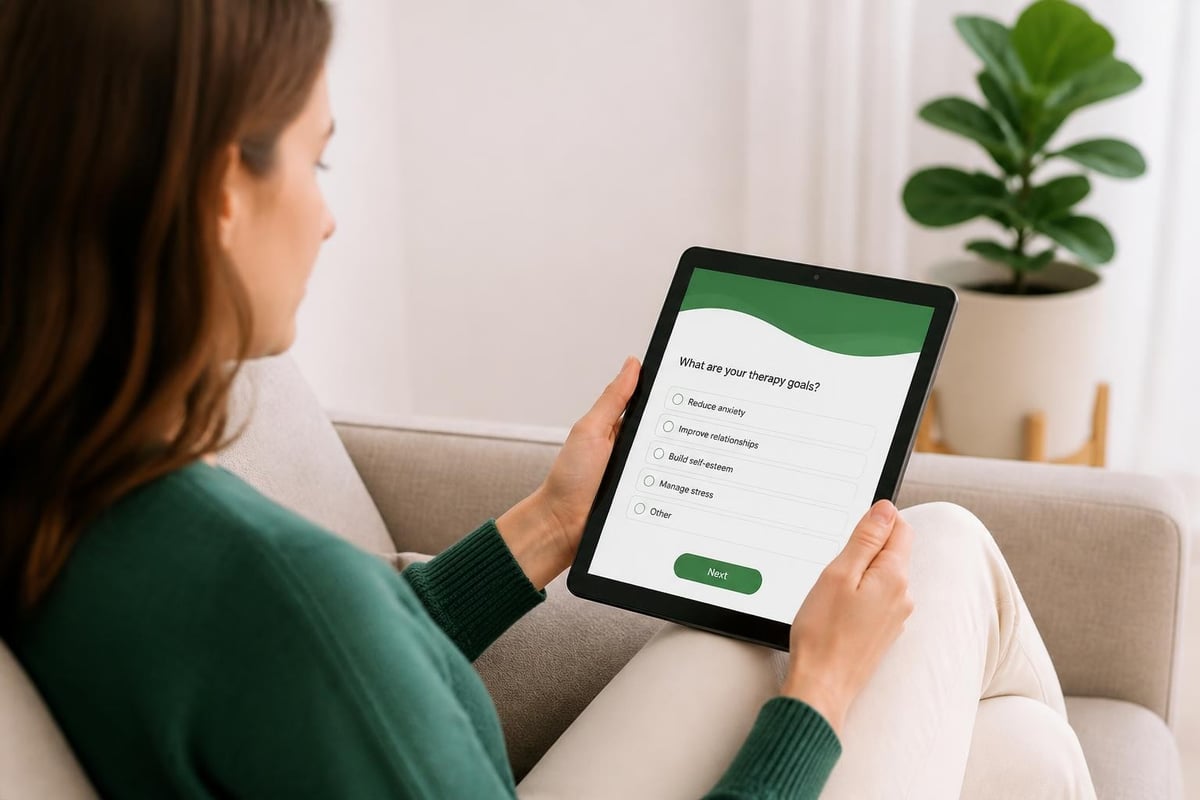
When you sign up, you complete a detailed questionnaire covering your therapeutic goals, preferred therapist characteristics, mental health history, and communication preferences. The platform's algorithm suggests therapists based on these responses, though you can review profiles and request different matches if the initial pairing doesn't feel right.
Many users report positive experiences with their matched therapists, while others needed multiple switches before finding the right fit. The ability to change therapists without penalty represents a valuable feature, though some users note that switching can feel awkward or delay progress.
User Experience and Platform Functionality
Real-world usability significantly impacts therapeutic outcomes. This Talkspace review wouldn't be complete without examining how the platform performs in daily use.
Mobile and Desktop Access
The Talkspace app receives mixed reviews across app stores. The Google Play Store shows an average rating around 3.7 stars, with users praising convenience while criticizing technical glitches. iOS users report similar experiences, with the app earning approximately 4.0 stars on the App Store. Common complaints include notification delays, message loading issues, and occasional crashes.
Desktop access through the web portal generally functions more reliably than mobile apps, though some users prefer the convenience of smartphone access for quick messaging throughout the day.
Communication Flow and Response Times
Expected response patterns:
- Send messages anytime through the secure platform
- Therapists typically respond 1-2 times on weekdays
- Weekends may have reduced availability
- Live sessions require advance scheduling
The asynchronous model works well for some people but frustrates others expecting more immediate engagement. Response times can stretch to 24-48 hours during busy periods, which may not suffice during crisis situations. Talkspace explicitly states it doesn't provide emergency services, directing users to call 911 or crisis hotlines for urgent situations.
Effectiveness of Text-Based Therapy
The fundamental question many ask: does text therapy actually work? Research on text-based therapy effectiveness shows promising but nuanced results.
Text therapy demonstrates effectiveness for:
- Mild to moderate depression and anxiety
- People who find writing therapeutic
- Those with scheduling constraints preventing regular appointments
- Individuals who feel more comfortable expressing themselves in writing
However, text-based communication has limitations. Therapists miss nonverbal cues like body language and tone that inform traditional therapy. Complex conditions requiring intensive treatment may need more robust intervention than asynchronous messaging provides.
| Text Therapy Strengths | Text Therapy Limitations |
|---|---|
| Convenient access anytime | Missing nonverbal communication |
| Lower cost than traditional therapy | Not suitable for crisis intervention |
| Comfortable for some communicators | May feel impersonal to some users |
| Written record of conversations | Delayed responses can hinder progress |
| Flexible for busy schedules | Complex conditions need more intensive care |
Real User Feedback and Satisfaction Rates
Consumer reviews provide essential insight beyond marketing claims. Consumer reviews on ConsumerAffairs reveal polarized experiences, with some users praising the convenience and quality while others report significant frustrations.
Positive User Experiences
Satisfied users commonly mention:
- Accessibility: Therapy fits around work and family obligations
- Therapist quality: Many report excellent therapeutic relationships
- Convenience: No commute time or waiting room anxiety
- Affordability: Lower cost than traditional therapy for uninsured users
- Comfort: Text communication feels less intimidating
Common Complaints
Negative reviews frequently cite:
- Billing issues: Difficulty canceling subscriptions or unexpected charges
- Therapist inconsistency: Some therapists provide minimal engagement
- Technical problems: App glitches interrupt communication
- Customer service: Slow or unhelpful support responses
- Insurance confusion: Coverage complications and billing errors
Reddit discussions on platforms like r/CBT include mixed feedback, with some users finding Talkspace transformative while others felt disappointed by therapist engagement levels or platform limitations.

Comparing Talkspace to Alternative Platforms
The online therapy market includes numerous competitors offering similar services with varying approaches. Understanding how Talkspace compares helps inform your decision.
Talkspace vs. BetterHelp
Both platforms operate on subscription models with similar pricing, but key differences exist:
- BetterHelp offers weekly live sessions in all plans
- Talkspace provides more insurance options
- BetterHelp has a larger therapist network
- Talkspace includes psychiatry services for medication management
Talkspace vs. Traditional Therapy
Traditional in-person therapy typically costs $100-250 per session without insurance, making weekly therapy expensive. However, traditional settings offer:
- Complete confidentiality without digital records
- Richer nonverbal communication
- Established therapeutic approaches
- No technology barriers
For comprehensive analysis of how Talkspace measures up, detailed professional reviews provide clinical perspectives on the platform's therapeutic value.
Who Benefits Most from Talkspace
Not every therapeutic need aligns with Talkspace's model. The platform works best for specific user profiles.
Ideal Candidates
You might thrive with Talkspace if you:
- Have mild to moderate mental health concerns
- Process emotions well through writing
- Need flexible scheduling due to work or family
- Live in areas with limited local therapist availability
- Feel anxious about traditional therapy settings
- Want continuous support between sessions
Who Should Consider Alternatives
Talkspace may not suit your needs if you:
- Experience severe mental health conditions requiring intensive treatment
- Prefer face-to-face interaction for therapeutic connection
- Need crisis intervention or emergency support
- Have concerns requiring medication management without psychiatric add-ons
- Want insurance to cover your full treatment cost
Privacy and Security Considerations
Mental health information ranks among the most sensitive personal data. Talkspace maintains HIPAA compliance and uses encryption to protect communications, but digital therapy inherently creates different privacy considerations than traditional settings.
All messages, video sessions, and audio recordings exist as digital files stored on servers. While Talkspace implements security measures, no digital platform offers absolute immunity from data breaches. Users concerned about digital privacy should weigh these considerations against convenience benefits.
The platform's privacy policy outlines data usage, including de-identified information for research and quality improvement. Review these policies carefully before sharing sensitive information.
Maximizing Your Talkspace Experience
If you decide Talkspace aligns with your needs, several strategies enhance therapeutic outcomes.
Getting Started Successfully
- Be thorough in your intake questionnaire: Detailed responses improve therapist matching
- Set clear goals: Define what you want to achieve in therapy
- Commit to regular engagement: Send messages consistently, even when feeling better
- Be honest about fit: Request a new therapist if the match isn't working
- Use multiple communication modes: Combine text with video for richer connection
Realistic Expectations
Understand that online therapy requires active participation. Unlike traditional appointments where you show up weekly, asynchronous messaging demands initiative. Set reminders to check in with your therapist, reflect on responses, and maintain momentum even when motivation wanes.
Progress may feel slower than anticipated, particularly if you're accustomed to weekly structured sessions. Give the process several weeks before evaluating effectiveness.
Subscription Management and Cancellation
Many negative reviews stem from billing and cancellation difficulties. Talkspace operates on an auto-renewal model, charging your payment method weekly or monthly depending on your plan.
To cancel your subscription:
- Navigate to account settings in the app or web portal
- Select "Cancel Subscription" option
- Follow prompts to confirm cancellation
- Verify you receive confirmation email
Cancel at least 24-48 hours before your next billing date to avoid additional charges. Some users report difficulties reaching customer service for cancellation assistance, making the self-service option preferable when possible.
Insurance Reimbursement Process
For those with insurance coverage, understanding the reimbursement process prevents billing surprises. Talkspace directly bills many insurance providers, but others require you to pay upfront and submit claims for reimbursement.
Keep detailed records of:
- Payment receipts from Talkspace
- Therapist session notes if available
- Communication with insurance representatives
- Explanation of Benefits (EOB) statements
Some insurance plans cover messaging therapy differently than video sessions, potentially requiring plan upgrades for full coverage. Medical professionals reviewing Talkspace often recommend clarifying coverage details before starting treatment to avoid unexpected costs.
Psychiatry Services and Medication Management
Beyond therapy, Talkspace offers psychiatric services for users needing medication management. Licensed psychiatrists can prescribe and monitor psychiatric medications through the platform, providing comprehensive mental health care.
Psychiatry services cost extra beyond standard therapy subscriptions, typically requiring separate consultations billed at different rates. This option benefits users managing conditions like depression, anxiety, bipolar disorder, or ADHD where medication plays a treatment role.
The combined therapy and psychiatry approach mirrors traditional care models but with digital convenience. However, some complex medication situations may still require in-person psychiatric care for optimal management.
Choosing the right mental health support requires understanding how platforms like Talkspace align with your specific needs, budget, and therapeutic preferences. This Talkspace review has examined the platform's features, costs, and real-world user experiences to provide a comprehensive picture. For deeper insights into Talkspace and hundreds of other health and wellness brands, HealthGreenList aggregates verified user reviews, official claims, and social feedback to help you make confident decisions about your health care providers. Our comprehensive brand summaries cut through marketing noise to reveal the true trustworthiness and credibility of platforms serving your wellness needs.