
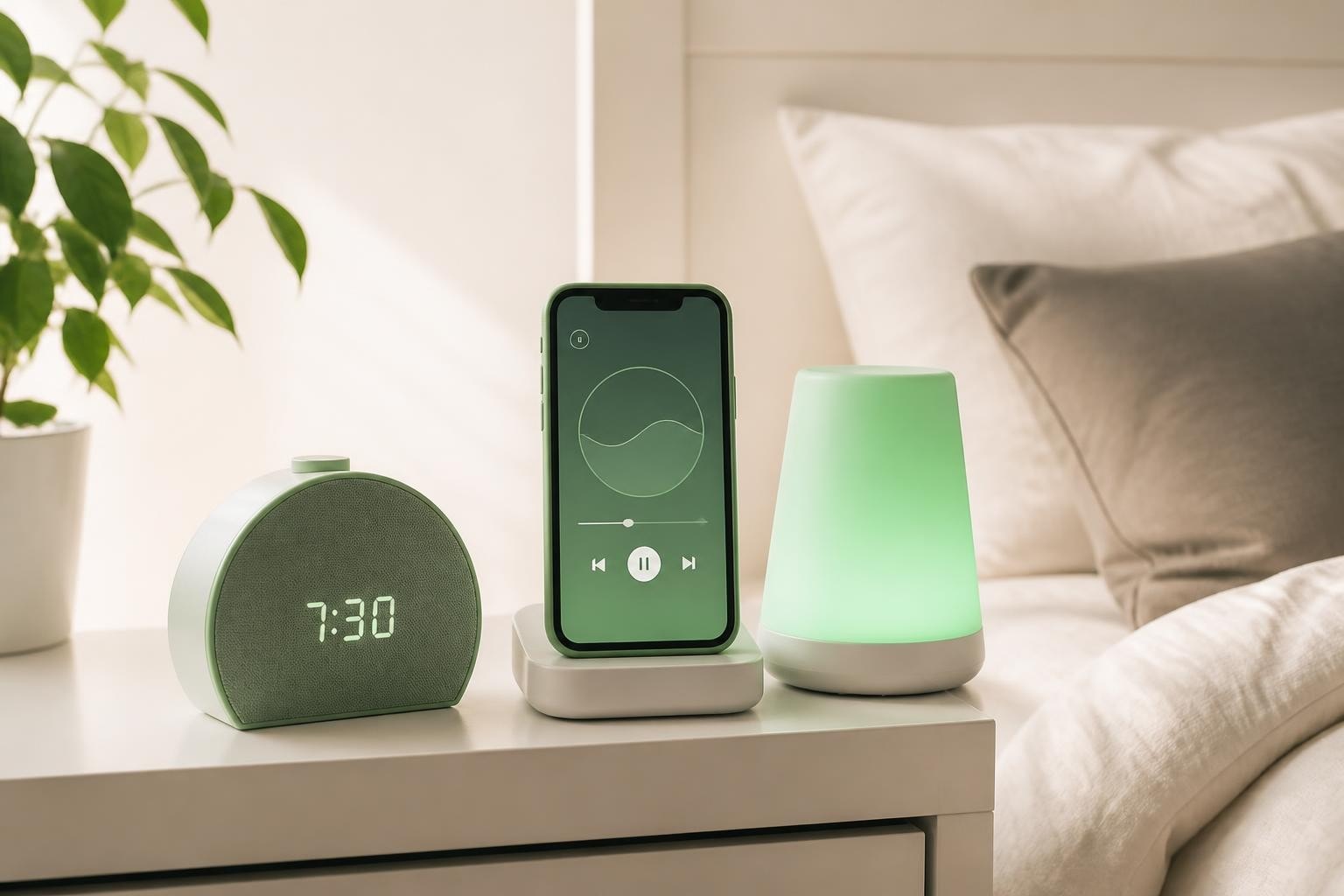
Hatch has emerged as a prominent player in the sleep technology market, offering smart alarm clocks and sleep aids designed to improve rest quality through science-backed features. This comprehensive hatch review examines the brand's products, claims, customer experiences, and overall credibility in the competitive wellness technology landscape. As consumers increasingly seek evidence-based solutions for better sleep, understanding whether Hatch delivers on its promises becomes essential for making informed purchasing decisions.
Understanding Hatch's Product Ecosystem
Hatch specializes in creating sleep devices that combine light therapy, sound technology, and smart connectivity to support healthy sleep routines. Their flagship products include the Restore and Restore 2 smart alarm clocks, designed for adults seeking better sleep quality, and the Rest series for children's sleep routines.
The Restore lineup features customizable sunrise and sunset simulations, white noise libraries, and meditation content partnerships. These devices aim to replace traditional alarm clocks with gentler wake-up experiences that align with circadian rhythms. The technology integrates app-based controls, allowing users to personalize their sleep environments without leaving bed.
Core Product Features and Claims
Hatch markets its devices with several specific health and wellness claims:
- Circadian rhythm support through gradual light transitions
- Improved sleep onset using relaxation sounds and dimming light
- Gentler wake-ups with sunrise simulation technology
- Reduced screen time before bed by eliminating phone dependence
- Customizable soundscapes for personalized sleep environments
The brand positions itself at the intersection of wellness technology and evidence-based sleep science. According to their official materials, Hatch collaborates with sleep experts to develop features grounded in circadian biology research.
Customer Experience Analysis
Customer feedback reveals distinct patterns in user experiences with Hatch products. This hatch review aggregates perspectives from multiple sources to present a balanced view of real-world performance.
Positive Customer Feedback
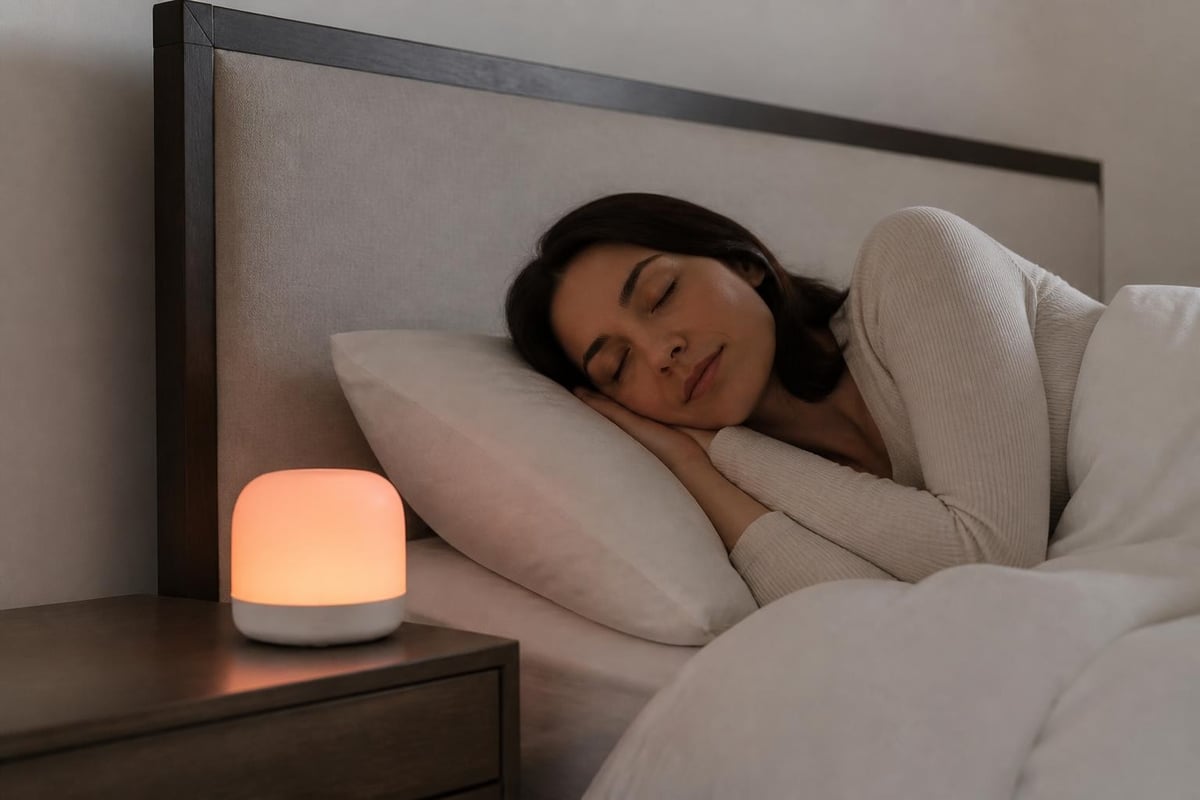
Many users report significant improvements in their morning routines. The sunrise simulation receives frequent praise for creating more natural wake-up experiences compared to jarring traditional alarms. Parents particularly appreciate the Rest products for establishing consistent bedtime routines with children.
Key positive themes include:
- Natural light progression feels less disruptive than phone alarms
- Sound quality exceeds expectations for white noise and nature sounds
- App interface provides intuitive control over settings
- Build quality appears solid and premium
- Customer service responds promptly to technical issues
Long-term users often describe Hatch devices as essential components of their sleep hygiene practices. Several reviews mention reduced morning grogginess and improved mood upon waking.
Areas of Customer Concern
Not all feedback proves uniformly positive. This hatch review identified recurring concerns that potential buyers should consider:
| Concern Category | Frequency | Details |
|---|---|---|
| Price Point | High | Many consider $130-180 expensive for alarm clock functionality |
| Subscription Model | Medium | Premium content requires ongoing Hatch+ membership ($50/year) |
| Wi-Fi Dependency | Medium | Device functionality limited without stable internet connection |
| Speaker Quality | Low-Medium | Some users desire higher audio fidelity for music playback |
Several customers express frustration with features locked behind the Hatch+ subscription paywall. While basic functionality works without subscription, guided meditations, expanded sound libraries, and personalized sleep programs require additional payment beyond the initial device cost.
Brand Transparency and Company Signals
Evaluating Hatch's credibility requires examining the company's operational transparency and business practices. This section of our hatch review explores signals that indicate brand trustworthiness.
Company Background and Funding
Hatch launched in 2014 with the Rest baby sleep device, expanding into adult sleep technology in 2020 with the Restore. The company has secured substantial venture capital funding, indicating investor confidence in their business model and growth potential.
Their team includes sleep researchers, product designers, and technology developers. This multidisciplinary approach suggests commitment to creating evidence-based products rather than purely marketing-driven devices.
Scientific Foundation
Hatch references circadian rhythm research and light therapy studies in their marketing materials. While they partner with sleep experts and cite scientific principles, the brand could provide more detailed research documentation supporting specific product claims.
The devices incorporate established sleep science concepts:
- Light exposure timing affects melatonin production and circadian alignment
- Gradual wake transitions reduce sleep inertia compared to abrupt alarms
- Consistent routines support healthy sleep-wake cycles
- Sound masking can improve sleep quality in noisy environments
However, Hatch has not published independent clinical trials specifically validating their devices' effectiveness. Users should understand that while the underlying science is sound, individual results vary based on numerous factors affecting sleep quality.
Competitive Position in Sleep Technology
The sleep technology market has expanded dramatically, with numerous brands offering smart alarm clocks, sleep trackers, and wellness devices. This hatch review compares Hatch against key competitors to contextualize their market position.
Direct Competitors
| Brand | Price Range | Key Differentiator | Subscription Required |
|---|---|---|---|
| Hatch Restore | $130-180 | Content partnerships, premium design | Optional (Hatch+) |
| Philips SmartSleep | $170-200 | Medical device heritage, clinical research | No |
| Loftie | $150 | No subscription ever, privacy-focused | No |
| Amazon Echo with Clock | $60-100 | Voice assistant integration, lower price | No (Amazon account needed) |
Hatch differentiates through aesthetic design and curated content partnerships with meditation providers and sleep experts. Their products occupy a premium position without reaching medical device pricing levels.
Value Proposition Assessment
Whether Hatch represents good value depends on individual priorities. Users seeking attractive design, comprehensive sound libraries, and guided content may find the investment worthwhile. Those wanting basic sunrise simulation functionality might find better value in simpler alternatives.
The subscription model remains controversial. While optional, many features that initially attracted buyers require Hatch+ membership for full access. This approach has generated mixed reactions in customer reviews and forum discussions.
Social Media and Community Feedback
Online communities provide unfiltered perspectives on Hatch products. This hatch review examined discussions across multiple platforms to capture authentic user experiences.
Reddit and Forum Discussions
Sleep-focused subreddits and parenting forums contain extensive Hatch discussions. Parents frequently recommend the Rest products for establishing toddler sleep routines, with many calling it "life-changing" for bedtime struggles.
Adult users show more divided opinions. Some consider the Restore essential for their sleep quality, while others question whether it justifies the cost compared to free smartphone apps with similar features.
Common discussion themes include:
- Setup simplicity: Most users find initial configuration straightforward
- Reliability concerns: Occasional Wi-Fi connectivity issues frustrate some owners
- Feature requests: Users want more customization options and additional sounds
- Subscription debate: Strong opinions on both sides regarding Hatch+ value
Social Media Presence
Hatch maintains active Instagram and Facebook accounts showcasing user testimonials, sleep tips, and product updates. Their social media strategy emphasizes lifestyle integration and community building rather than aggressive product promotion.
Customer comments on social posts reveal generally positive sentiment, though selection bias likely influences what appears on brand-controlled channels. Independent reviews on retail platforms provide more balanced perspectives.
Workplace Culture and Employee Perspectives
Employee satisfaction often correlates with product quality and customer service excellence. This hatch review examines workplace signals to assess Hatch's internal culture.
Glassdoor reviews and LinkedIn discussions suggest Hatch maintains a mission-driven culture focused on improving sleep health. Employees frequently mention flexible work arrangements and collaborative teams as positive aspects.
Some concerns emerge around typical startup challenges:
- Fast-paced environment creates pressure for certain roles
- Communication gaps as the company scales
- Compensation competitiveness varies by position
Overall, employee feedback suggests a relatively healthy workplace culture, which typically translates to better customer experiences and product development quality.
Product Line Comparison
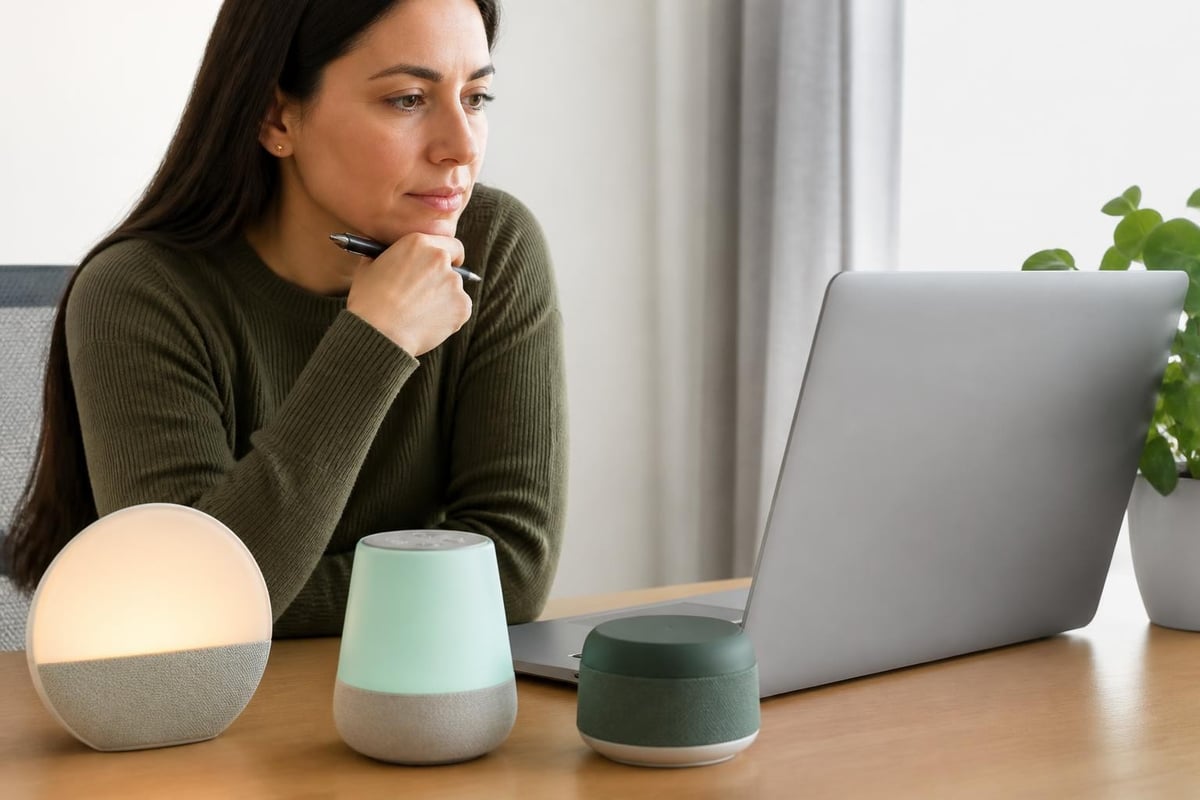
Hatch offers several distinct products targeting different demographics and sleep needs. Understanding these differences helps consumers select appropriate options.
Restore vs. Restore 2
The Restore 2, released in 2023, includes several improvements over the original:
- Enhanced speaker quality with deeper bass response
- Sunrise alarm with adjustable brightness levels (up to 300 lux)
- Improved touch controls with better responsiveness
- Updated industrial design with refined aesthetics
- Same Hatch+ subscription model and app integration
The price difference between models remains minimal, making Restore 2 the recommended choice for new buyers. Original Restore units often appear in secondary markets at discounted prices.
Rest Product Family
The Rest and Rest+ target infant and child sleep needs:
- Rest (Basic): Time-to-rise functionality, color-changing night light, sound machine
- Rest+: Adds audio monitoring, backup battery, enhanced app features
- Rest Mini: Portable version for travel, simplified feature set
Parents report high satisfaction with Rest products, particularly for toddlers transitioning from cribs to beds. The visual time-to-rise cues help young children understand when morning has arrived.
Long-Term Reliability and Support
Durability and customer support quality significantly impact overall product value. This hatch review examines long-term ownership experiences.
Device Longevity
Most users report reliable performance over multiple years. The solid-state design with no moving parts contributes to durability. However, as with all smart devices, software support and app compatibility determine functional lifespan.
Hatch commits to regular firmware updates addressing bugs and adding features. This ongoing development suggests reasonable long-term support, though no guarantees exist for how long older models will receive updates.
Customer Service Experience
Customer service reviews show generally positive experiences. Support channels include:
- Email support with typical response times under 24 hours
- Phone support during business hours
- Comprehensive online help center and FAQs
- Active social media customer service presence
Warranty coverage extends one year from purchase. Many retailers offer extended protection plans for additional security. Some users report smooth warranty claim processes, while others experienced delays during high-volume periods.
Privacy and Data Considerations
Smart home devices raise privacy questions. Hatch collects usage data through app connectivity, including sleep and wake times, feature preferences, and device settings.
Their privacy policy states data collection serves product improvement and personalization purposes. Unlike devices with cameras or microphones (except Rest+ audio monitor), Hatch sleep clocks present minimal privacy intrusion beyond standard app analytics.
Users concerned about data collection can operate devices with limited app interaction, though this reduces available features. The company does not sell personal data to third parties according to current policies, though data sharing with service partners occurs as outlined in their terms.
Final Assessment Factors
Making an informed decision about Hatch products requires weighing multiple considerations beyond marketing claims. This hatch review suggests evaluating these key factors:
Budget alignment: Can you justify $130-180 for enhanced alarm clock functionality versus free or lower-cost alternatives? Does your sleep quality improvement merit this investment?
Feature utilization: Will you actively use guided meditations, varied soundscapes, and customization options? Or do you simply need basic sunrise simulation?
Subscription tolerance: Are you comfortable with potential ongoing Hatch+ costs for premium features, or will basic functionality suffice?
Sleep priorities: Does your lifestyle support consistent bedtime routines that maximize these devices' benefits?
For individuals struggling with morning wake-ups, inconsistent sleep schedules, or bedtime phone dependency, Hatch products may provide meaningful improvements. Those with mild sleep concerns or tight budgets might explore simpler solutions first.
The brand demonstrates reasonable transparency, generally positive customer experiences, and evidence-based feature development. While not perfect, Hatch appears credible within the wellness technology space, delivering functional products that align with stated capabilities.
Evaluating sleep technology requires examining brand claims against real customer experiences and scientific evidence. Hatch demonstrates solid credibility with functional products, though considerations around pricing and subscriptions warrant careful thought. For comprehensive analysis of health and wellness brands including detailed reviews that aggregate official claims, customer feedback, and transparency signals, explore HealthGreenList to make informed decisions about products impacting your health and wellbeing.