

Sleep tracking apps have exploded in popularity, promising to optimize rest and boost daytime performance. Rise Science positions itself as a science-backed solution focused on sleep debt and circadian rhythm rather than detailed sleep stage analysis. This rise science review examines the app's methodology, user experiences, research foundations, and real-world credibility to help you determine whether it's worth your time and subscription cost in 2026.
What Rise Science Claims to Offer
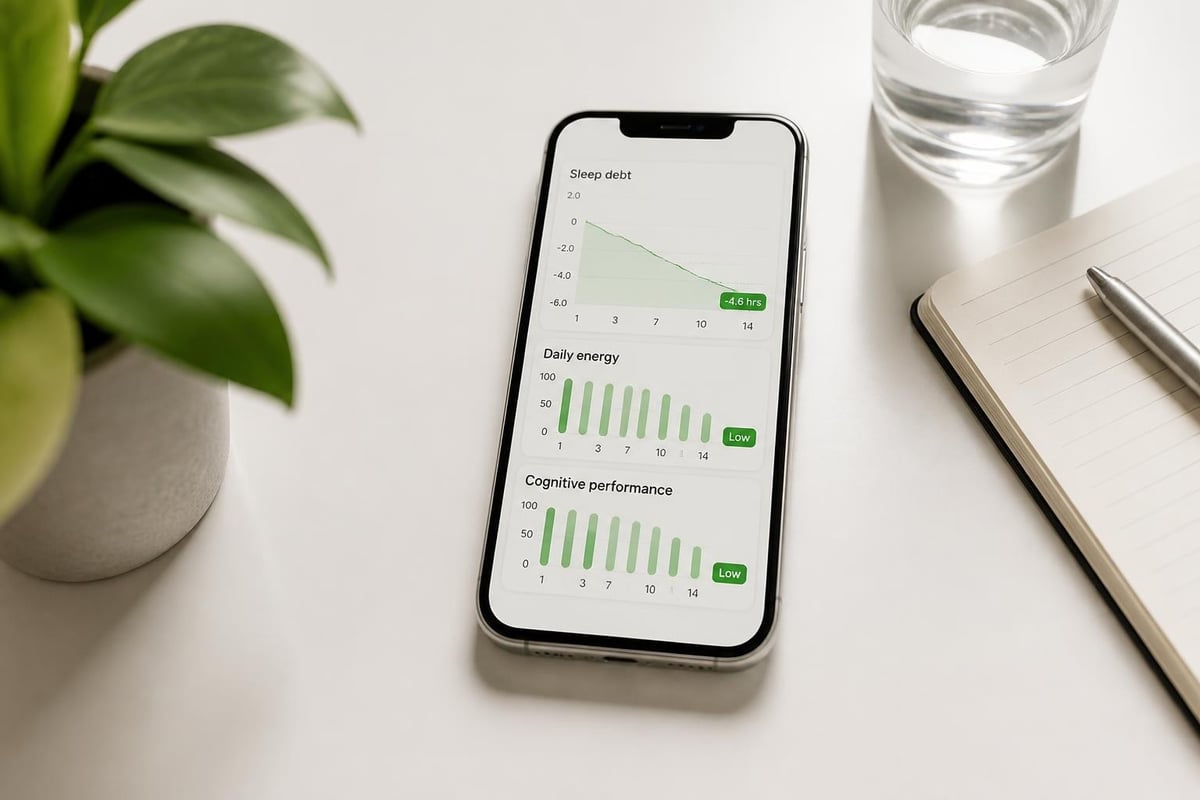
Rise Science markets itself as a sleep tracker that takes a fundamentally different approach than competitors. Rather than obsessing over REM cycles or deep sleep percentages, the app focuses on two core metrics: sleep debt and your circadian rhythm.
The company explains its methodology through the official Rise Science FAQ, where they describe using a validated sleep-wake model to calculate how much sleep your body needs. The app then tracks how far you've deviated from that need over the past 14 days.
Core Features and Functionality
- Sleep debt calculation based on individual sleep need (typically 7-9 hours)
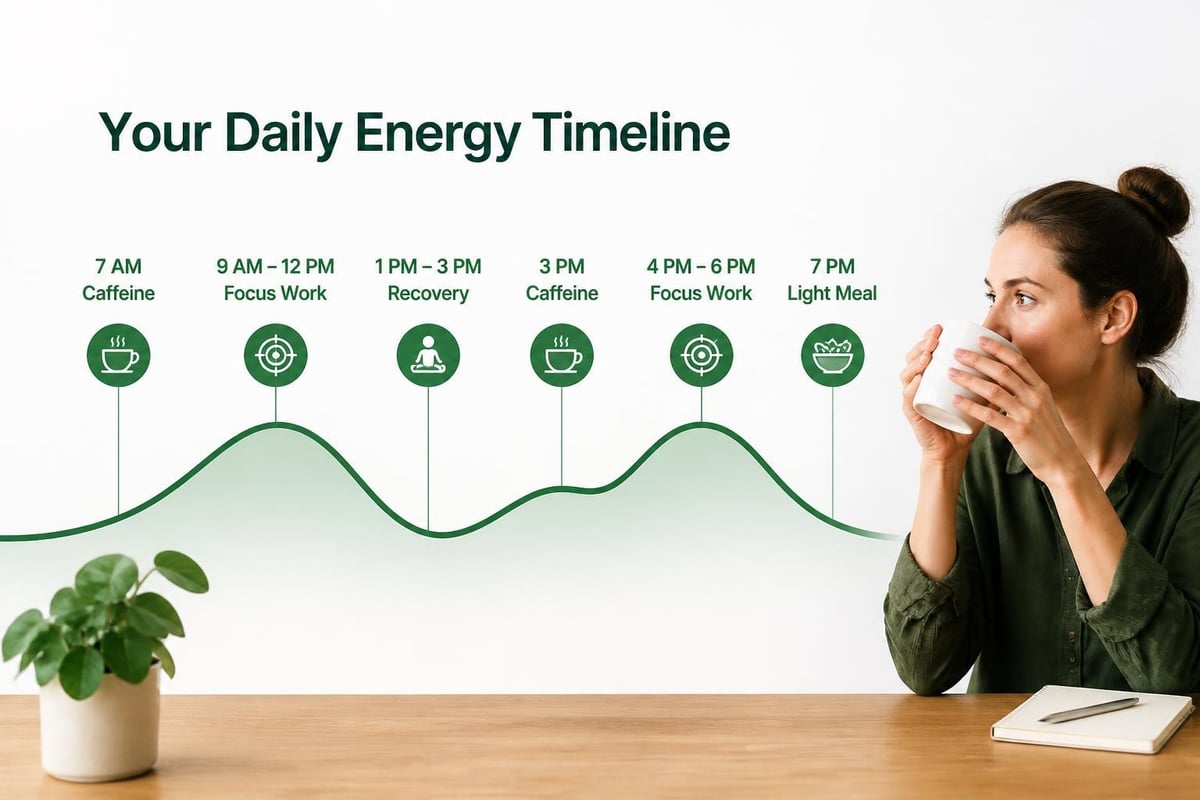
- Energy peak and dip predictions throughout your day
- Smart alarm recommendations aligned with your circadian rhythm
- Habit reminders for caffeine cutoffs, wind-down routines, and morning light exposure
- Integration with Apple Health, Fitbit, Oura Ring, and other wearables
The app claims to estimate your sleep need within 30 minutes of accuracy using historical phone data, activity patterns, and optional wearable device inputs. Rise Science operates on a subscription model priced at approximately $60 annually or $7 monthly as of 2026, though prices vary by promotional periods.
The Science Behind Rise Science
A critical component of any rise science review involves examining the research backing the app's claims. Rise Science has partnered with academic institutions to validate aspects of their approach, though the depth of published evidence varies.
Research published in collaboration with the University of Washington analyzed app usage patterns, sleep history, and job performance outcomes among Rise users. This study demonstrated correlations between reduced sleep debt and self-reported productivity improvements, though it relied heavily on self-reported measures rather than objective performance metrics.
The app's foundation rests on the two-process model of sleep regulation, a well-established framework in sleep science. This model combines:
- Homeostatic sleep pressure (how long you've been awake)
- Circadian rhythm timing (your body's internal clock)
- Individual sleep need variation (genetic and lifestyle factors)
Evidence Quality and Limitations
| Strength | Limitation |
|---|---|
| Based on validated sleep science frameworks | Limited independent peer-reviewed studies on the app itself |
| Correlational data shows user improvement trends | Causation not established in most available research |
| Simplifies sleep optimization to actionable metrics | May oversimplify complex sleep disorders requiring medical attention |
The American Academy of Sleep Medicine provides guidance on consumer sleep technologies, noting that while apps can support general sleep hygiene, they shouldn't replace clinical assessment for sleep disorders. This context is essential when evaluating Rise Science's appropriate use cases.
A systematic review of digital sleep interventions among college students and young adults found modest benefits for sleep quality and duration, though effect sizes varied considerably across different app types and user populations.
User Experience and Real-World Feedback
Examining user sentiment across multiple platforms reveals a nuanced picture of Rise Science's real-world performance. On Trustpilot, Rise Science maintains a 4.2 out of 5 star rating based on hundreds of reviews, with users frequently praising the interface simplicity and energy predictions while criticizing subscription costs and occasional sync issues.
What Users Like
- Intuitive design that doesn't overwhelm with excessive data
- Actionable energy forecasts that help schedule important tasks
- Behavior change nudges that feel helpful rather than nagging
- Accurate sleep need estimates for many users after the calibration period
Common Complaints
Users on the Google Play Store (3.8 stars) and Apple App Store (4.7 stars) report several recurring issues:
- Expensive subscription compared to one-time purchase alternatives
- Limited free trial makes it difficult to assess value before committing
- Sync reliability varies across different wearable integrations
- Battery drain on some Android devices during continuous tracking
The CNET France review highlighted these usability trade-offs, noting that while the app excels at simplification, power users wanting granular sleep stage data will find it lacking.
How Rise Science Compares to Alternatives
The sleep app market has become increasingly crowded, making comparative analysis essential for any comprehensive rise science review. The Sleep Foundation’s guide to best sleep apps positions Rise Science in the "circadian rhythm optimizer" category rather than the "sleep stage tracker" category occupied by apps like Sleep Cycle or SleepScore.
Rise Science vs. Competitors
| Feature | Rise Science | Sleep Cycle | Oura App | CBT-i Coach |
|---|---|---|---|---|
| Primary Focus | Sleep debt & circadian rhythm | Sleep stage analysis | Comprehensive health metrics | Cognitive behavioral therapy |
| Hardware Required | No (optional integration) | No | Yes (Oura Ring) | No |
| Annual Cost | ~$60 | ~$30 | $300+ (ring) + subscription | Free |
| Clinical Backing | Moderate | Limited | Moderate | High (VA-developed) |
| Behavior Change Tools | Strong | Moderate | Moderate | Very Strong |
This comparison reveals that Rise Science occupies a specific niche: users who want behavior-focused sleep improvement without investing in dedicated hardware or engaging in formal CBT-i programs.
Clinical Perspective and Safety Considerations
The American Academy of Sleep Medicine’s health advisory on sleep apps emphasizes important limitations. Consumer sleep technologies, including Rise Science, should not be used for self-diagnosis of sleep disorders like sleep apnea, insomnia, or restless leg syndrome.
Rise Science appropriately positions itself as a sleep optimization tool rather than a diagnostic device. The app doesn't claim to detect sleep disorders and encourages users experiencing persistent sleep problems to consult healthcare providers.
When Rise Science Is Appropriate
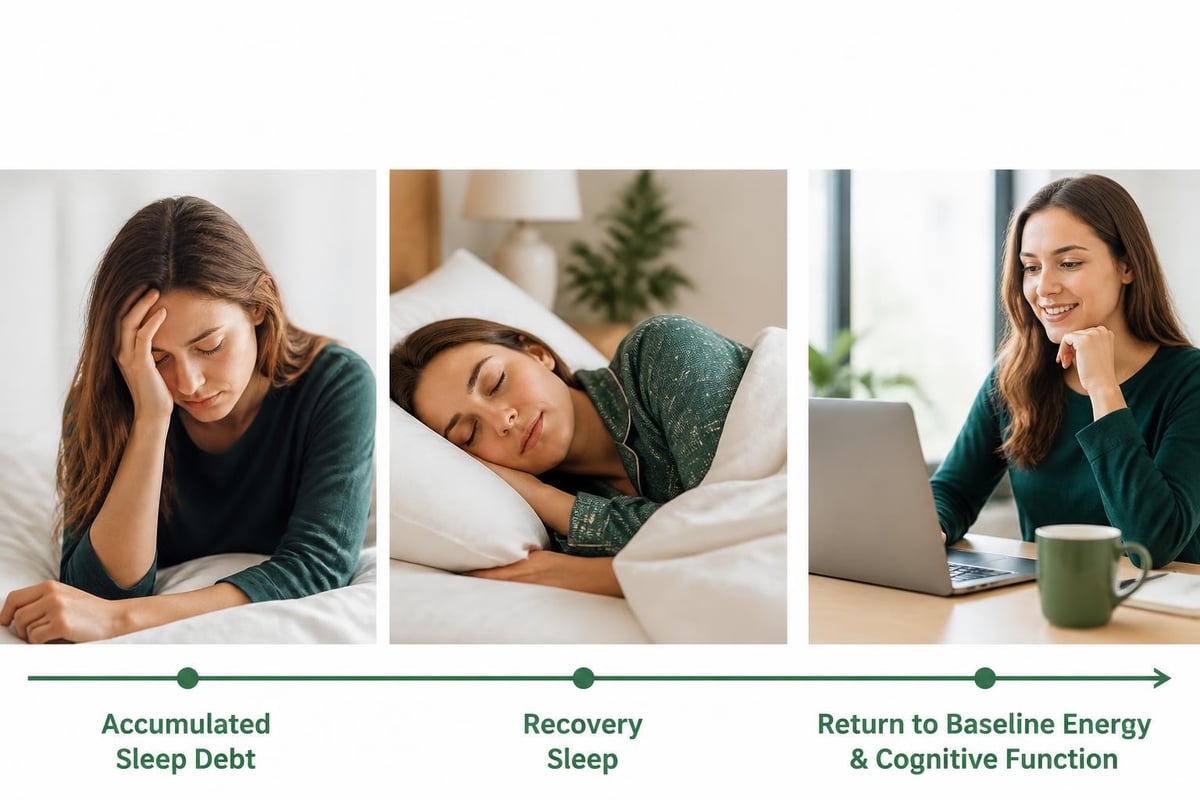
- Healthy adults seeking to reduce sleep debt
- Individuals wanting to align schedules with natural energy patterns
- People struggling with jet lag or shift work adjustment
- Users interested in habit formation around sleep hygiene
When Professional Help Is Needed
- Chronic insomnia lasting more than three months
- Suspected sleep apnea (snoring, breathing pauses, excessive daytime sleepiness)
- Persistent daytime fatigue despite adequate sleep opportunity
- Sleep disruptions affecting work, relationships, or safety
A systematic review of sleep app behavior change techniques found that apps incorporating goal-setting, self-monitoring, and personalized feedback showed stronger outcomes. Rise Science implements all three of these evidence-based components, which may explain its reported effectiveness for habit formation.
Data Privacy and Business Practices
When evaluating health apps, data handling practices matter significantly. Rise Science's privacy policy states that the app collects sleep timing, phone usage patterns, and optional health data from integrated devices.
Key privacy points:
- Data encrypted in transit and at rest
- No sale of individual user data to third parties
- Aggregated, anonymized data used for research partnerships
- Users can request data deletion upon account closure
The company operates as a Delaware C-corporation with venture capital backing, which provides stability but also creates pressure for user growth and retention. This business model explains the subscription approach rather than one-time purchase pricing.
Google Play Store reviews occasionally mention difficulty canceling subscriptions, though this appears to be more common with users who subscribed through third-party platforms rather than directly through the app stores' standard subscription management.
Price Value Analysis
At approximately $60 annually, Rise Science falls in the mid-range for sleep app subscriptions. This rise science review must address whether the price delivers commensurate value.
Cost-benefit considerations:
- Compared to a sleep study: Much cheaper ($1,000-$3,000 for clinical polysomnography)
- Compared to wearables: Less than most smart rings or advanced fitness trackers
- Compared to free apps: Significantly more expensive than ad-supported alternatives
- Compared to sleep coaching: Much cheaper than human sleep coaches ($500-$2,000)
The value proposition depends heavily on individual circumstances. Users who successfully reduce sleep debt by even one hour per night over a year could argue the productivity and health benefits far exceed $60. Conversely, those who don't engage with the app's recommendations or find the features redundant with existing wearables may find limited value.
Updates and Development Trajectory
Rise Science has maintained consistent development since its initial release, with major updates roughly quarterly. Recent 2026 updates have focused on:
- Enhanced integration with Android Health Connect
- Improved sleep need calibration algorithms
- Additional habit tracking for exercise timing and meal schedules
- Partnership features with corporate wellness programs
The company's research partnerships and continued academic collaborations suggest ongoing investment in validating and refining their approach. This commitment to evidence-based development distinguishes Rise Science from many competitors operating primarily on marketing rather than methodology.
Ideal User Profile
Based on aggregated feedback across platforms and published reviews, Rise Science works best for:
The productivity-focused professional who wants to optimize performance without becoming obsessed with sleep metrics. These users appreciate the energy timeline feature for scheduling demanding work during predicted peak periods.
The shift worker or frequent traveler dealing with circadian disruption benefits from the app's rhythm predictions and adjustment recommendations when crossing time zones or changing schedules.
The habit formation enthusiast who responds well to structured routines and reminders finds value in Rise Science's behavior change nudges for consistent sleep-wake timing.
The skeptical user who has tried meditation apps, detailed sleep stage trackers, or other wellness tools without success may appreciate Rise Science's simpler, more focused approach.
Less ideal candidates include those wanting detailed sleep architecture analysis, individuals with diagnosed sleep disorders requiring medical management, or budget-conscious users comfortable with free alternatives.
HealthGreenList Assessment Framework
For this rise science review, HealthGreenList evaluated Rise Science across multiple data sources:
- Official claims: Generally aligned with mainstream sleep science, appropriately caveated
- User feedback: Positive majority (4+ stars) across platforms with consistent praise and criticism themes
- Research backing: Moderate academic foundation with room for more independent validation
- Workplace signals: Stable employment patterns and continued hiring suggest healthy business
- Social media sentiment: Active user community sharing success stories and tips
The convergence of these signals suggests Rise Science represents a credible option in the sleep app category, though not without limitations and areas requiring consumer awareness.
Rise Science offers a scientifically grounded approach to sleep optimization focused on debt reduction and circadian alignment, backed by moderate research evidence and generally positive user experiences, though at a premium price point that won't suit every budget. When evaluating health and wellness brands like Rise Science, comprehensive data aggregation across official claims, user reviews, research publications, and community feedback provides the clearest picture of credibility and fit for your needs-exactly the approach HealthGreenList provides across hundreds of health brands to help you make informed decisions about which products and services deserve your trust and investment.