
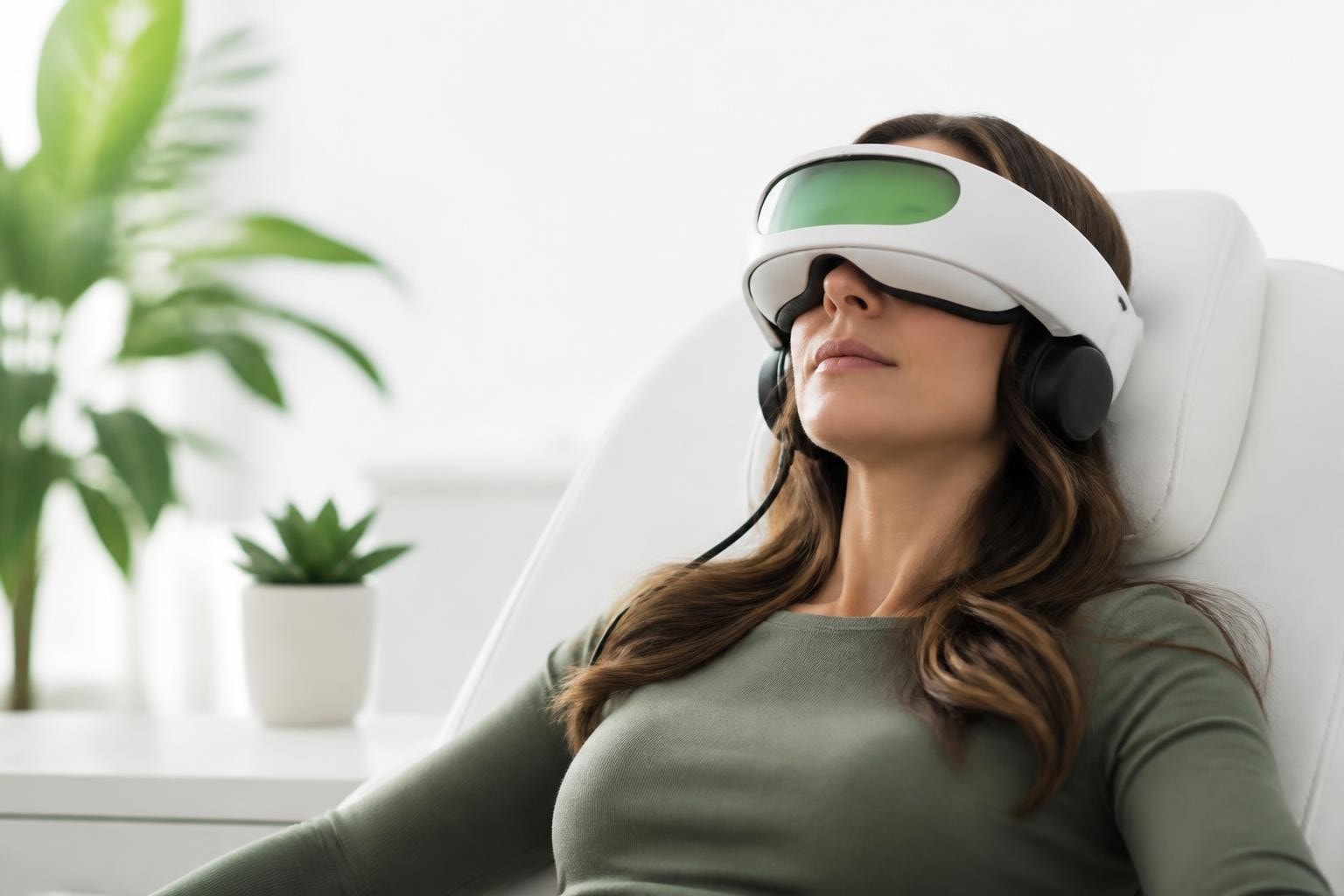
BrainTap is a wellness technology company offering a headset-based system that combines light therapy, binaural audio beats, and guided visualization sessions designed to help users manage stress, improve sleep, and enhance mental clarity. Founded by Dr. Patrick Porter, the brand has positioned itself within the growing brain-training and meditation technology market. This BrainTap review aggregates feedback from customer reviews, online community discussions, employee perspectives, and regulatory context to help you determine whether this brand merits your trust and investment in 2026.
Quick Verdict
Moderately Trustworthy with Mixed Feedback. BrainTap demonstrates a legitimate presence in the wellness technology sector with patent documentation, an established founder, and positive testimonials from users seeking relaxation and stress relief. However, the brand faces criticism regarding pricing, subscription models, limited independent clinical validation, and inconsistent customer service experiences. The technology's foundation in binaural beats and light therapy has some peer-reviewed support, though evidence specific to BrainTap's proprietary system remains limited.
What BrainTap Is
BrainTap Technologies offers a neuro-wellness platform consisting of a light-and-sound headset paired with a mobile application delivering hundreds of guided audio sessions. The system aims to induce specific brainwave states through:
- Light frequency therapy via LED arrays in the visor
- Binaural beat audio delivered through integrated earphones
- Guided meditation and visualization narrated sessions
- Isochronic tones for auditory brainwave entrainment
The company holds patent applications describing their neuro-training device methodology, which outlines the synchronization of audio and visual stimuli. BrainTap markets its technology primarily to wellness practitioners, spas, health clubs, and direct-to-consumer audiences seeking alternatives to traditional meditation or pharmaceutical sleep aids.
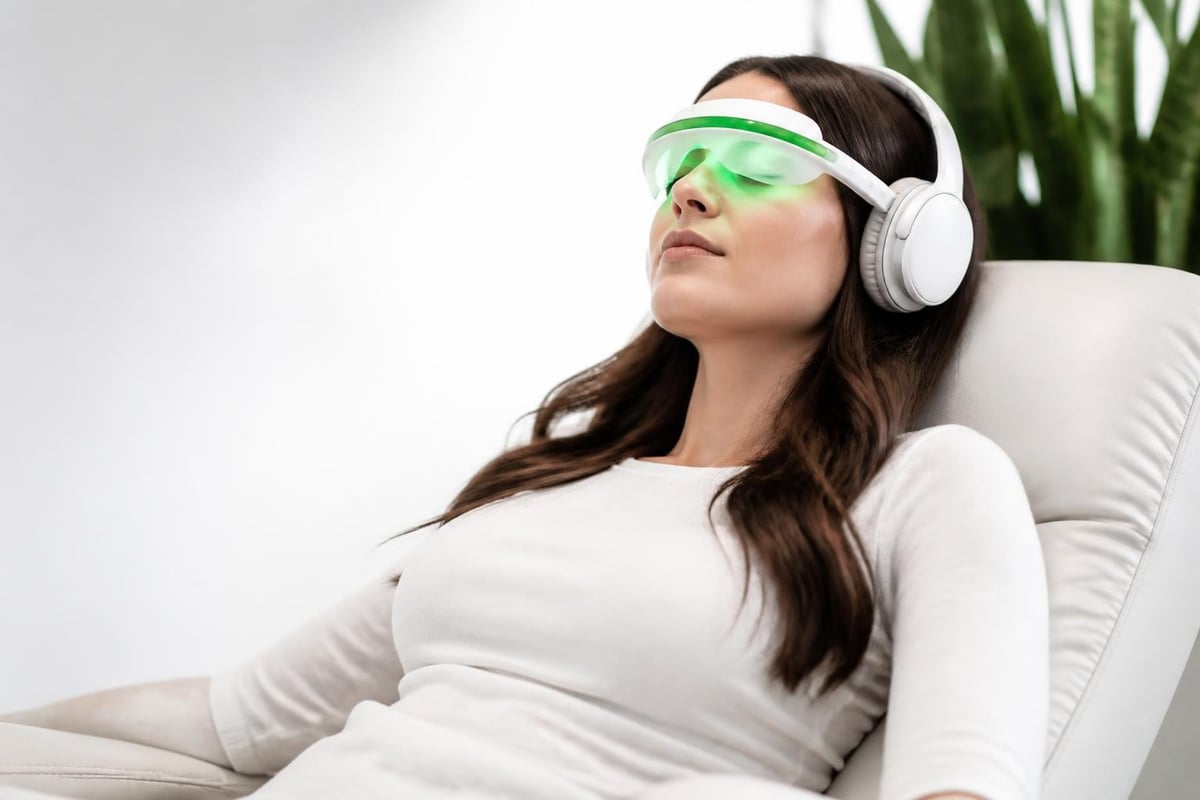
The system operates on a subscription model, with users purchasing the physical headset (typically ranging from $499 to $799 depending on promotions) and then paying monthly or annual fees ($9.99-$19.99/month) to access the audio session library. Sessions are categorized by goals such as stress reduction, improved sleep, learning enhancement, weight management, and peak performance.
Customer Review Summary
App Store and Google Play Feedback
BrainTap maintains a presence on both major mobile platforms with generally positive but limited review volumes. The iOS app shows approximately 4.6 out of 5 stars across several hundred reviews, while the Android version displays similar ratings with fewer total reviews. Common positive themes include:
- Users reporting improved sleep quality after consistent use
- Appreciation for session variety and professional narration quality
- Positive experiences with relaxation and stress management
- Ease of use and intuitive app interface
Negative patterns consistently mentioned across mobile reviews:
| Concern Category | Frequency | Typical Complaint |
|---|---|---|
| Subscription costs | High | "Expensive for what you get after buying hardware" |
| Technical issues | Moderate | "App crashes, syncing problems with headset" |
| Content limitations | Moderate | "Repetitive sessions, slow content updates" |
| Customer support | Low-Moderate | "Slow response times to technical problems" |
Several reviews note that the technology's effectiveness varies significantly between individuals, with some users experiencing profound relaxation while others report minimal noticeable effects. This variability aligns with research on binaural beat therapy showing individual differences in response.
Trustpilot and Independent Review Platforms
BrainTap's presence on Trustpilot shows mixed ratings, typically averaging between 3.2 and 3.8 stars depending on the review period. The review volume remains relatively modest compared to larger wellness brands, with fewer than 200 total reviews as of mid-2026.
Positive customer experiences highlight:
- Professional practitioners (chiropractors, therapists, wellness coaches) reporting client satisfaction
- Users with chronic stress or anxiety finding measurable subjective relief
- Quality of the physical headset construction and comfort during extended sessions
- Responsiveness when reaching out to founder Dr. Patrick Porter directly at events
Critical feedback centers on:
- Value proposition concerns: Multiple reviewers question whether the results justify the combined hardware and subscription costs, especially when free meditation apps offer similar guided sessions
- Marketing claims: Some customers feel the promotional materials overpromise results compared to their actual experience
- Return policy complications: Several reviews mention difficulty obtaining refunds or experiencing restocking fees
- Hardware durability: A subset of users report headset connectivity issues or component failures after 12-18 months of use
Community Discussion Summary
Reddit and Wellness Forums
Discussion of BrainTap across Reddit communities (r/Meditation, r/Biohackers, r/Neurofeedback) reveals skepticism mixed with genuine user testimonials. The brand does not dominate conversation in these spaces, suggesting limited mainstream penetration among serious biohacking communities.
Key discussion themes:
Supporters typically describe BrainTap as a convenient entry point for people struggling with traditional meditation practices. Several users note that the structured sessions and sensory stimulation help maintain focus better than unguided meditation attempts. The technology receives recognition as potentially useful for specific populations, particularly those with racing thoughts or attention difficulties.
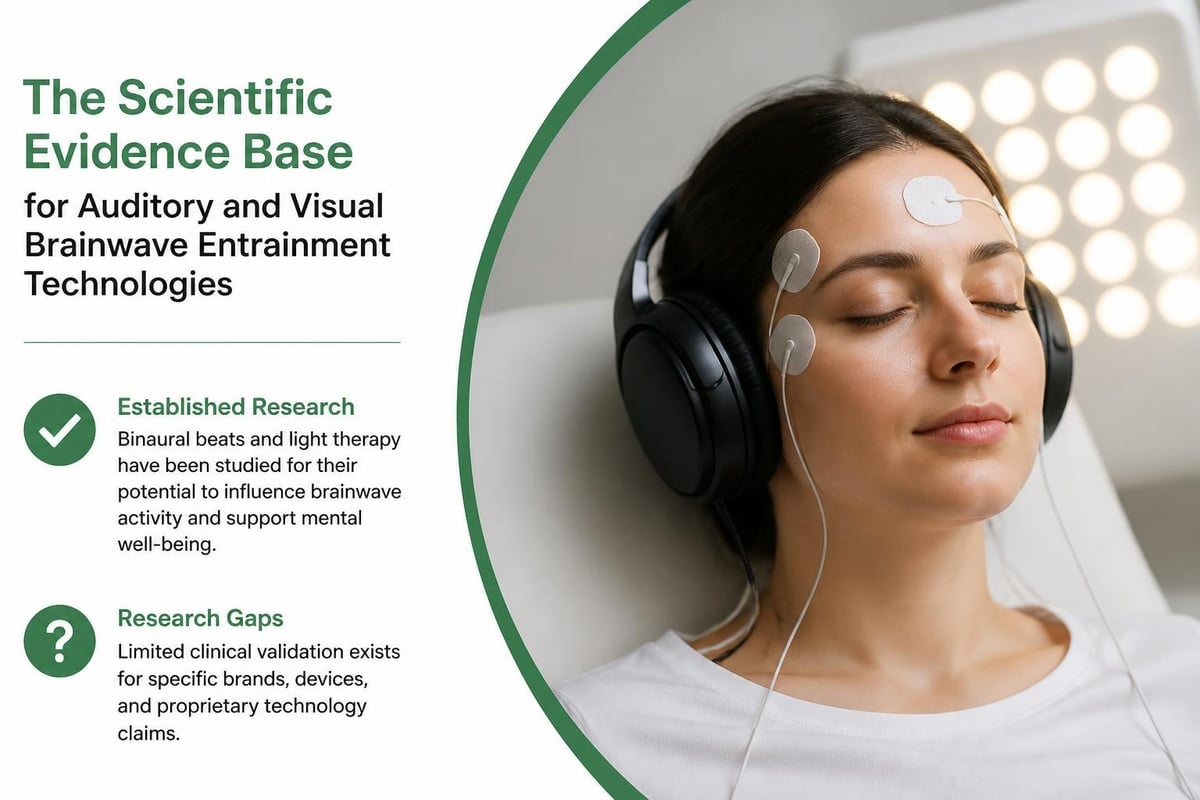
Critics raise questions about the scientific basis for the specific frequency combinations BrainTap employs. While binaural beats have demonstrated effects on memory and attention in meta-analyses, community members point out that these studies don't validate BrainTap's proprietary protocols specifically. The discussion often contrasts BrainTap with competitors like Muse or traditional neurofeedback systems.
Quora and Health Question Platforms
Quora threads about BrainTap typically feature a mix of genuine user experiences and what appear to be brand advocates or affiliates. This pattern makes it challenging to distinguish authentic testimonials from promotional content. Verified purchase indicators are absent on these platforms, reducing confidence in the feedback authenticity.
Common questions include comparisons to competing meditation headsets, inquiries about effectiveness for specific conditions (insomnia, PTSD, ADHD), and requests for objective evidence. Responses vary widely in quality, with some providing thoughtful analysis of the underlying technologies and others offering anecdotal success stories without context.
Employee Review Summary
Glassdoor and Indeed Insights
BrainTap Technologies maintains a relatively small team, reflected in limited employee review volume on platforms like Glassdoor and Indeed. As of August 2026, fewer than 30 total reviews appear across these platforms, suggesting either a small workforce or limited employee engagement with review sites.
Positive workplace signals:
- Employees describe Dr. Patrick Porter as passionate and committed to the wellness mission
- Flexible work arrangements mentioned by several reviewers
- Opportunities to work in the growing wellness technology sector
- Positive feedback about the product itself from team members
Concerning patterns:
- Compensation concerns: Multiple reviews mention below-market salaries for the wellness tech industry
- Organizational structure: Some employees note unclear role definitions and evolving responsibilities
- Growth challenges: References to scaling difficulties and resource constraints
- Sales pressure: A few reviews from sales team members mention aggressive targets relative to market conditions
The limited review volume prevents drawing definitive conclusions about workplace culture, but the available signals suggest a small company navigating growth challenges typical of niche wellness technology firms.
Main Strengths
Established Founder with Track Record
Dr. Patrick Porter brings decades of experience in the brain-fitness and personal development industries, having authored multiple books and developed earlier biofeedback technologies. This background provides credibility beyond many wellness startups launched without domain expertise.
Patent Documentation and Technical Foundation
Unlike purely software-based meditation apps, BrainTap demonstrates technical sophistication through documented patent applications describing their synchronization methodology. This intellectual property suggests genuine innovation rather than simple repackaging of existing technologies.
Multi-Modal Approach Supported by Research
The combination of auditory and visual stimulation aligns with established research on brain stimulation modalities, even if BrainTap's specific implementation lacks independent validation. The underlying technologies have peer-reviewed support, providing a reasonable scientific foundation.
Professional Market Penetration
BrainTap's adoption by chiropractors, therapists, and wellness centers indicates acceptance within practitioner communities. This professional channel provides validation beyond direct consumer marketing and suggests the technology delivers sufficient perceived value for practitioners to recommend it.
Comprehensive Session Library
The platform offers an extensive catalog of guided sessions addressing diverse wellness goals, representing substantial content development investment. Users consistently praise the variety and production quality of available programs.
Main Concerns
Limited Independent Clinical Validation
While the underlying technologies have research support, BrainTap's specific protocols and claimed outcomes lack robust independent clinical trials published in peer-reviewed journals. This gap is particularly relevant given ongoing discussions about standardization in non-invasive brain stimulation research and the importance of reproducible methods.
High Total Cost of Ownership
The combination of hardware purchase ($499-$799) plus ongoing subscription fees ($120-$240 annually) creates a significant financial barrier. Many users question whether the results justify this investment compared to free or low-cost alternatives.
Cost comparison table:
| Product/Service | Initial Cost | Ongoing Annual Cost | Total Year 1 Cost |
|---|---|---|---|
| BrainTap | $647 (avg) | $180 (avg) | $827 |
| Muse Headband | $249-$399 | $95 (optional) | $344-$494 |
| Premium Meditation Apps | $0 | $70-$120 | $70-$120 |
| Free Meditation Apps | $0 | $0 | $0 |
Inconsistent Customer Service Experiences
Review patterns reveal significant variability in customer support quality, with some users receiving prompt assistance while others report delayed responses or difficulty resolving technical issues. This inconsistency creates uncertainty for potential buyers concerned about post-purchase support.
Individual Response Variability
Customer feedback consistently shows that BrainTap's effectiveness varies dramatically between users. While some report transformative experiences, others notice minimal effects despite consistent use. This variability makes it difficult to predict individual outcomes and raises questions about money-back guarantees and trial periods.
Subscription Model Concerns
Multiple reviewers express frustration with the ongoing subscription requirement after purchasing expensive hardware. The perception that essential content is locked behind recurring fees, rather than included with the device purchase, generates negative sentiment and comparison to competitors offering one-time purchase options.

Final Verdict
This BrainTap review reveals a legitimate wellness technology brand with both genuine supporters and valid criticisms. The company demonstrates technical sophistication beyond many wellness gadgets, backed by patent documentation and an experienced founder. The underlying technologies-binaural beats, light therapy, and guided meditation-have research support, though BrainTap's specific implementations lack independent clinical validation.
BrainTap appears most suitable for:
- Individuals who have struggled with traditional meditation and need structured, multi-sensory guidance
- Users with sufficient disposable income who view wellness technology as a worthwhile investment
- People seeking professional-grade relaxation tools similar to those used in clinical settings
- Those with access to trial periods or demo sessions to assess personal response before full financial commitment
BrainTap may not be ideal for:
- Budget-conscious consumers seeking cost-effective stress management solutions
- Skeptics requiring robust clinical evidence specific to the device before investing
- Users expecting guaranteed, consistent results given the documented individual variability
- Those preferring one-time purchases over ongoing subscription models
The brand's trustworthiness falls into a "moderately credible" category-not a scam or fraudulent operation, but also not backed by the rigorous independent validation that would justify unreserved recommendation. The technology shows promise for certain users while disappointing others, following patterns typical of personalized wellness interventions.
Potential buyers should approach BrainTap with realistic expectations, understanding that individual results vary significantly. The device represents a premium-priced tool that may accelerate relaxation and stress management for some users while offering minimal advantage over free alternatives for others. Consumer neurotech devices raise important equity and access considerations that buyers should weigh against personal financial circumstances.
Sources Checked
For this BrainTap review, we examined the following sources to ensure accuracy and comprehensive coverage:
Official Brand Sources:
- BrainTap official website (braintap.com)
- Patent documentation (Google Patents)
- Company press releases and marketing materials
Customer Feedback Platforms:
- Apple App Store reviews (iOS application)
- Google Play Store reviews (Android application)
- Trustpilot reviews
- Amazon reviews (for hardware purchases)
Community Discussion:
- Reddit (r/Meditation, r/Biohackers, r/Neurofeedback, r/WellnessTech)
- Quora health and wellness threads
- Alternative health forums
Employee Feedback:
- Glassdoor company reviews
- Indeed employer ratings
Scientific and Regulatory Context:
- PubMed research on binaural beats and brain entrainment
- NIMH brain stimulation therapy resources
- National Academies publications on consumer neurotech
Notable Limitations:
- Limited independent clinical trial data specific to BrainTap's proprietary protocols
- Relatively small employee review volume due to company size
- Moderate overall review volume compared to mainstream consumer electronics
- Difficulty distinguishing affiliate marketing content from genuine testimonials on some platforms
This BrainTap review reflects patterns observed across multiple sources rather than isolated opinions, focusing on repeated themes in customer experiences, community discussions, and workplace feedback.
BrainTap presents a mixed picture of moderate credibility, legitimate technology foundations, and variable user outcomes that require careful personal evaluation before investment. When researching wellness brands and determining whether they merit your trust, comprehensive data aggregation across multiple sources provides the clearest picture. HealthGreenList specializes in exactly this type of multi-source analysis, examining official claims, customer reviews, community feedback, and workplace signals to deliver clear brand summaries for health-conscious consumers navigating an increasingly crowded wellness marketplace.