

Metabolism tracking has evolved significantly beyond basic calorie counting, and Lumen represents one of the most innovative approaches to understanding how your body processes fuel. This handheld device promises to measure your metabolism through a simple breath test, providing personalized nutrition guidance based on whether you're burning carbohydrates or fats. As health-conscious consumers increasingly seek data-driven insights into their wellness journey, this lumen review examines whether this technology delivers on its ambitious claims by analyzing user experiences, scientific validation, and real-world results.
Understanding the Lumen Metabolism Tracker
The Lumen device operates on a scientifically-grounded principle: measuring the concentration of carbon dioxide (CO2) in your breath. When you exhale into the device, it analyzes your respiratory exchange ratio (RER) to determine your metabolic state. A higher CO2 concentration indicates carbohydrate burning, while lower levels suggest fat burning.
This measurement technology mirrors the principles used in professional metabolic testing chambers, but Lumen has miniaturized the concept into a portable device. The company claims their technology can help users:
- Optimize nutrition timing based on current metabolic state
- Track metabolic flexibility over time
- Receive personalized meal plans aligned with metabolic needs
- Improve weight management through metabolic awareness
- Enhance athletic performance by understanding fuel sources
How the Device Works
Each morning, you perform a breath test before eating or drinking anything. The process takes approximately one minute. You inhale deeply through the device, hold your breath for ten seconds, then exhale fully. The Lumen app then displays your metabolic score on a scale from 1 to 5, with lower numbers indicating fat burning and higher numbers showing carbohydrate reliance.
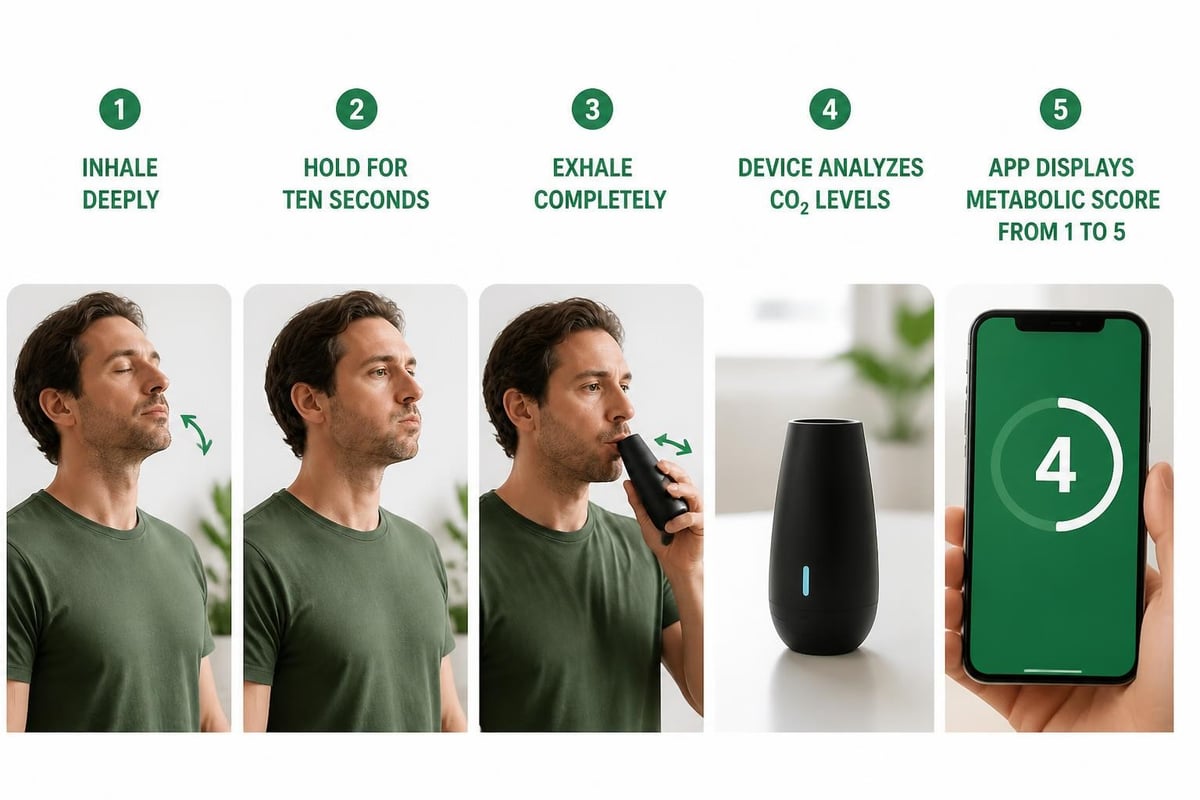
Throughout the day, you can take additional measurements before meals or workouts. The app provides customized nutrition recommendations based on these readings, suggesting macronutrient ratios for your next meal. According to professional evaluations of the device’s accuracy, the technology shows promise but requires consistent use for optimal results.
Scientific Validation and Accuracy
A critical component of any lumen review involves examining the scientific evidence supporting the device. A peer-reviewed study published in the National Library of Medicine evaluated Lumen's accuracy compared to traditional metabolic testing methods. The research demonstrated a strong correlation between Lumen measurements and laboratory-grade respiratory quotient assessments, with researchers noting the device's potential for home-based metabolic monitoring.
The study's key findings included:
| Metric | Lumen Performance | Traditional Lab Testing |
|---|---|---|
| Accuracy Range | 80-85% correlation | 95-100% (gold standard) |
| Test Duration | 60 seconds | 20-30 minutes |
| Cost per Test | Included with device | $100-$300 |
| Accessibility | At-home, unlimited | Clinical settings only |
While Lumen doesn't match laboratory precision, it offers practical advantages for daily tracking. The device's consistency matters more than absolute accuracy for most users, as tracking trends over time provides actionable insights regardless of minor measurement variations.
Real-World Accuracy Considerations
Several factors can influence reading accuracy. Temperature, humidity, breathing technique, and even recent alcohol consumption may affect results. Users report that following the device's calibration protocols and maintaining consistent testing conditions improves reliability. Expert nutrition perspectives on the device emphasize the importance of proper technique and understanding that single measurements provide snapshots rather than definitive metabolic assessments.
User Experience and Feedback Analysis
Examining real user experiences provides essential context for this lumen review. Across multiple platforms, customer feedback reveals both enthusiasm and frustration. Trustpilot reviews show a mixed response, with many users praising the device's educational value while others question its long-term utility.
Positive feedback commonly highlights:
- Increased awareness of how food choices affect metabolism
- Motivational tool for maintaining dietary consistency
- User-friendly app interface with clear explanations
- Helpful for understanding metabolic flexibility progress
- Valuable for those following ketogenic or low-carb diets
Common criticisms include:
- High upfront cost ($299-$349) plus monthly subscription ($19)
- Inconsistent readings under certain conditions
- Learning curve for interpreting results effectively
- Limited value after initial metabolic education phase
- Questions about long-term necessity for continued use
Community discussions on platforms like Reddit reveal nuanced perspectives. One detailed user experience shared that the device provided valuable insights during the first three months but became redundant once dietary patterns were established. Another user reported significant improvements in energy levels and body composition by following Lumen's recommendations consistently for six months.

Cost Analysis and Value Proposition
The financial investment required for Lumen deserves careful consideration in any comprehensive lumen review. The device itself costs between $299 and $349, depending on current promotions. Additionally, full app functionality requires a monthly subscription of $19, though basic features remain accessible without payment.
Comparing Investment to Alternatives
| Method | Initial Cost | Ongoing Cost | Accuracy | Convenience |
|---|---|---|---|---|
| Lumen Device | $299-$349 | $19/month optional | Good | Excellent |
| Professional RMR Test | $100-$300 | Per test | Excellent | Poor |
| Fitness Tracker Estimates | $50-$400 | None | Fair | Excellent |
| DEXA + Metabolic Testing | $150-$400 | Per session | Excellent | Poor |
For individuals seriously committed to metabolic optimization, the investment may prove worthwhile. Detailed analyses of whether the device justifies its price suggest that value depends heavily on user goals and commitment level. Those seeking one-time insights might find professional testing more cost-effective, while users wanting daily tracking throughout a metabolic transformation may appreciate Lumen's unlimited measurements.
The subscription model offers advantages for dedicated users. Premium features include personalized meal plans, advanced metabolic insights, detailed progress tracking, and priority customer support. However, casual users may find the free version sufficient for basic metabolic awareness.
Integration with Health and Fitness Goals
Lumen's effectiveness varies significantly based on individual health objectives. This section of our lumen review examines how the device performs across different use cases.
Weight Management Applications
For weight loss seekers, Lumen provides accountability and education about how different foods affect metabolic state. Users report that seeing immediate feedback on their metabolic flexibility encourages better food choices. The device helps identify which meal timing and macronutrient ratios optimize fat burning for each individual.
However, weight loss ultimately depends on caloric balance, not just metabolic state. Lumen doesn't track calories consumed or energy expenditure, requiring integration with other tracking methods for comprehensive weight management. Some users successfully combine Lumen with apps like MyFitnessPal for complete dietary oversight.
Athletic Performance Enhancement
Athletes interested in metabolic efficiency find specific value in Lumen's measurements. Understanding whether the body efficiently switches between fat and carbohydrate burning informs fueling strategies for different training intensities. Endurance athletes particularly benefit from developing greater fat-burning capacity, reducing dependence on carbohydrate intake during long efforts.
Cyclists, runners, and triathletes report using Lumen to:
- Optimize training nutrition by matching fuel intake to metabolic state
- Improve race day fueling through better metabolic flexibility
- Enhance recovery by timing carbohydrate intake appropriately
- Track adaptation to training programs over time
- Personalize nutrition plans beyond generic athlete recommendations
Metabolic Health Monitoring
Individuals managing metabolic conditions like insulin resistance or prediabetes may find educational value in Lumen's feedback. Seeing how specific foods affect metabolic state provides tangible motivation for dietary modifications. Long-term user experiences documented over six months demonstrate that consistent use can support meaningful lifestyle changes when combined with professional medical guidance.
Medical professionals note that Lumen should complement, not replace, traditional metabolic health assessments. Blood glucose monitoring, HbA1c testing, and comprehensive metabolic panels remain essential for diagnosing and managing metabolic disorders.

Data Quality and Brand Trustworthiness
Evaluating Lumen as a company requires examining multiple trust signals beyond just product functionality. At HealthGreenList, we aggregate data from official brand claims, customer reviews, social media feedback, and workplace culture to provide comprehensive brand assessments.
Official brand claims: Lumen markets itself transparently, acknowledging that their device provides estimates rather than clinical-grade measurements. Their published research and peer-reviewed studies demonstrate commitment to scientific validation.
Customer service responsiveness: Reviews indicate generally positive customer service experiences, with the company addressing device malfunctions promptly and offering replacements when necessary. Response times average 24-48 hours for non-urgent inquiries.
Social media presence: Lumen maintains active engagement across platforms, sharing user success stories, responding to questions, and providing educational content about metabolism. Their transparency about device limitations builds credibility.
Workplace culture signals: Company reviews suggest a mission-driven organization focused on innovation in metabolic health. Employee feedback indicates commitment to product improvement and customer success.
Practical Implementation Strategies
For those deciding to invest in Lumen based on this lumen review, maximizing value requires strategic implementation. Success depends less on the technology itself and more on how consistently and intelligently users apply the insights.
Establishing Baseline Measurements
The first two weeks focus on understanding your metabolic patterns without making significant dietary changes. This baseline period reveals:
- Morning metabolic tendencies (fat vs. carb burning upon waking)
- How different foods affect subsequent measurements
- Your current metabolic flexibility score
- Optimal meal timing for your schedule and goals
During this phase, take measurements at consistent times: upon waking, before lunch, before dinner, and before workouts. Document what you eat and how you feel alongside measurements to identify patterns.
Implementing Recommended Changes
After establishing baselines, gradually implement Lumen's nutrition recommendations. The app suggests macronutrient ratios for each meal based on your current metabolic state and goals. Rather than overhauling your entire diet immediately, make incremental adjustments:
- Start by modifying breakfast based on morning readings
- Add pre-workout measurements to optimize training nutrition
- Adjust dinner macronutrients to support overnight fat burning
- Fine-tune portion sizes while maintaining recommended ratios
- Track subjective measures like energy, hunger, and workout performance
Measuring Progress Effectively
Lumen provides a metabolic flexibility score that improves as your body becomes more efficient at switching between fuel sources. Track this metric weekly rather than daily, as day-to-day fluctuations are normal. Combine Lumen data with traditional progress markers: body composition measurements, performance metrics, energy levels, and how clothing fits.
Many successful users report that Lumen's greatest value emerges during the first 3-6 months, providing education about metabolic responses that informs long-term dietary habits even without continued device use. Comprehensive assessments of user experiences and expectations confirm that realistic goals and consistent application determine outcomes more than device technology alone.
Common Challenges and Solutions
This lumen review would be incomplete without addressing frequent obstacles users encounter and practical solutions.
Challenge: Inconsistent or confusing readings during the learning phase.
Solution: Focus on trends over time rather than individual measurements. Ensure proper breathing technique by watching tutorial videos and practicing the exhale pattern. Test under consistent conditions regarding time of day, hydration, and recent activity.
Challenge: Difficulty following recommended macronutrient ratios with current eating patterns.
Solution: Start with modifications to one meal daily rather than restructuring everything immediately. Use meal planning apps that calculate macros automatically. Prepare several Lumen-friendly recipes in advance for different metabolic states.
Challenge: Readings don't align with expected results based on diet adherence.
Solution: Remember that metabolism reflects multiple factors beyond recent food intake, including sleep quality, stress levels, exercise intensity, and hormonal fluctuations. Consider these variables when interpreting unexpected readings.
Challenge: Motivation decline after initial enthusiasm wanes.
Solution: Set specific metabolic flexibility goals with target dates. Join Lumen's online community for accountability and support. Schedule measurements as non-negotiable calendar appointments. Reward flexibility score improvements with non-food incentives.
Who Benefits Most from Lumen
After analyzing extensive data for this lumen review, certain user profiles emerge as most likely to find value in the device:
Ideal candidates include:
- Individuals committed to 6+ months of consistent tracking and dietary modification
- Those following ketogenic, low-carb, or carb-cycling nutrition approaches
- Athletes optimizing metabolic efficiency for endurance performance
- People who respond well to data-driven health interventions
- Users with sufficient budget for both device and optional subscription
- Those seeking education about their metabolic responses to different foods
Less suitable for:
- Casual dieters seeking quick fixes without sustained commitment
- Individuals on tight budgets prioritizing cost-effectiveness
- Those uncomfortable with technology or app-based tracking
- People who find excessive health data tracking stressful or obsessive
- Users expecting the device alone to drive results without behavioral changes
The device serves primarily as an educational and accountability tool rather than a passive solution. Success requires active engagement with the data and willingness to modify behaviors based on insights received.
Comparing Lumen to Alternative Approaches
Understanding how Lumen fits within the broader metabolic health landscape helps contextualize its value proposition for this lumen review.
Continuous glucose monitors (CGMs) like Freestyle Libre or Dexcom provide different metabolic insights, tracking blood sugar responses to foods and activities. CGMs reveal glycemic variability and insulin sensitivity, while Lumen measures fuel source utilization. Some advanced users combine both technologies for comprehensive metabolic awareness.
Ketone meters measure blood or breath ketone levels, indicating depth of ketosis for those following ketogenic diets. These devices cost less than Lumen ($40-$100) but provide narrower information specific to ketone production rather than overall metabolic flexibility.
Professional metabolic testing through exercise physiology labs offers superior accuracy but limited practicality. A single resting metabolic rate test costs $100-$300, while comprehensive metabolic assessments with VO2 max testing run $300-$500. These provide valuable baseline data but can't track daily variations.
Smart scales with body composition analysis measure weight, body fat percentage, muscle mass, and sometimes metabolic rate estimates. These devices ($50-$200) track outcomes rather than processes, showing what changed but not why or how to optimize fuel utilization.
Each tool serves distinct purposes within metabolic optimization strategies. Lumen's unique position lies in providing daily fuel source feedback without blood draws or restrictive testing protocols.
The Lumen metabolism tracker offers genuine value for committed users willing to invest time, money, and effort into understanding and optimizing their metabolic health. While not perfect, the device provides actionable insights that can support meaningful dietary improvements when applied consistently. For those seeking trustworthy health brand information beyond marketing claims, HealthGreenList aggregates verified customer experiences, professional reviews, and comprehensive data across health and wellness brands, helping you make informed decisions about products like Lumen and countless other health technologies.