
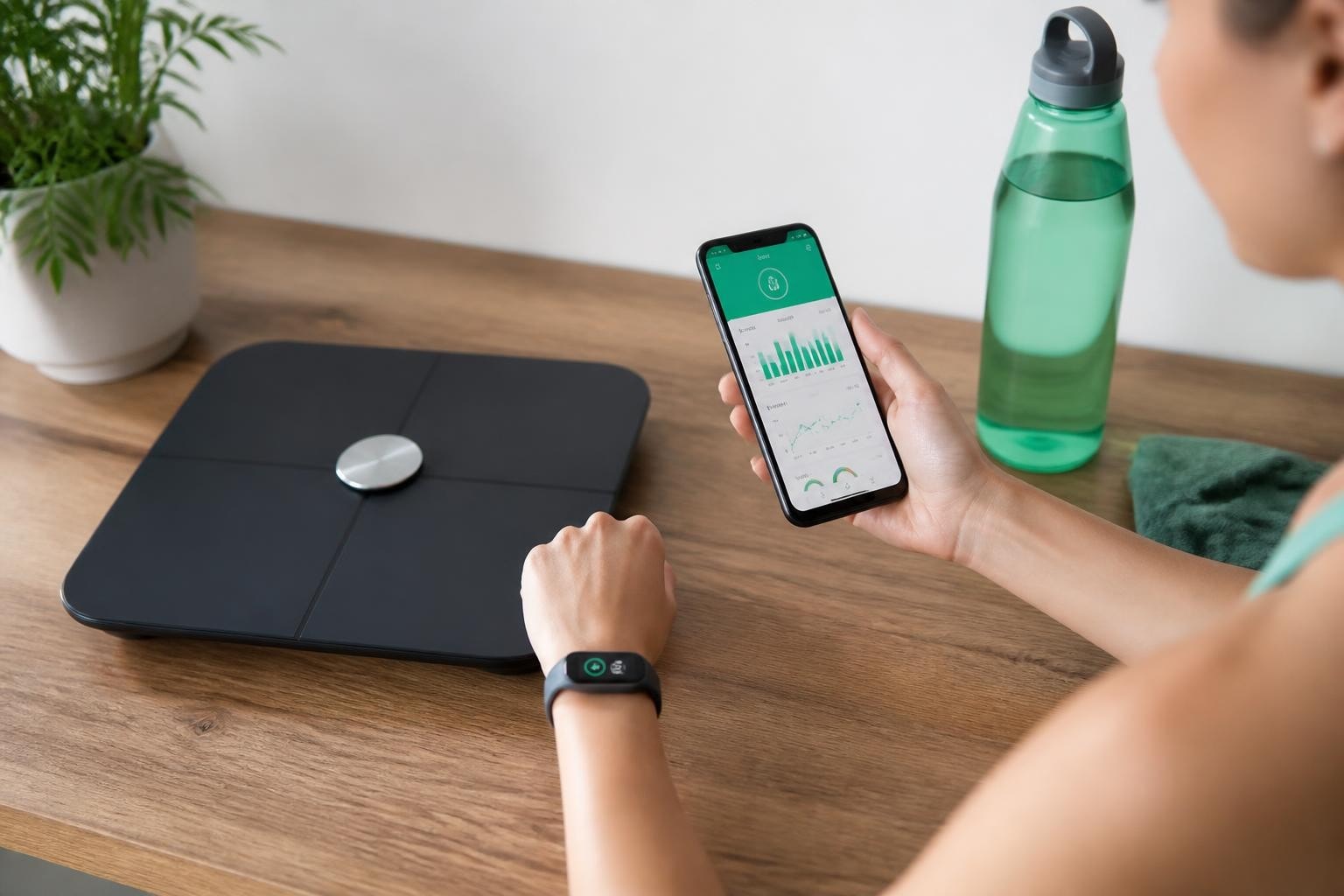
Fitbit has established itself as one of the most recognizable names in wearable fitness technology, with millions of users tracking their steps, sleep, and health metrics daily. When evaluating fitbit reviews across multiple platforms, understanding both the strengths and limitations of these devices becomes essential for making an informed purchase decision. This comprehensive analysis examines customer experiences, community feedback, and expert assessments to provide a clear picture of what users can expect from Fitbit products in 2026.
Quick Verdict on Fitbit
Fitbit devices receive generally positive feedback for their user-friendly interface, comprehensive health tracking features, and robust ecosystem. However, recent service reliability issues and concerns about AI-powered features have created mixed sentiment among long-time users. The brand maintains strong recognition but faces increasing competition from specialized fitness tracker manufacturers.
Overall Assessment: Trustworthy with growing concerns about service reliability and premium feature value.
What Fitbit Is and What It Offers
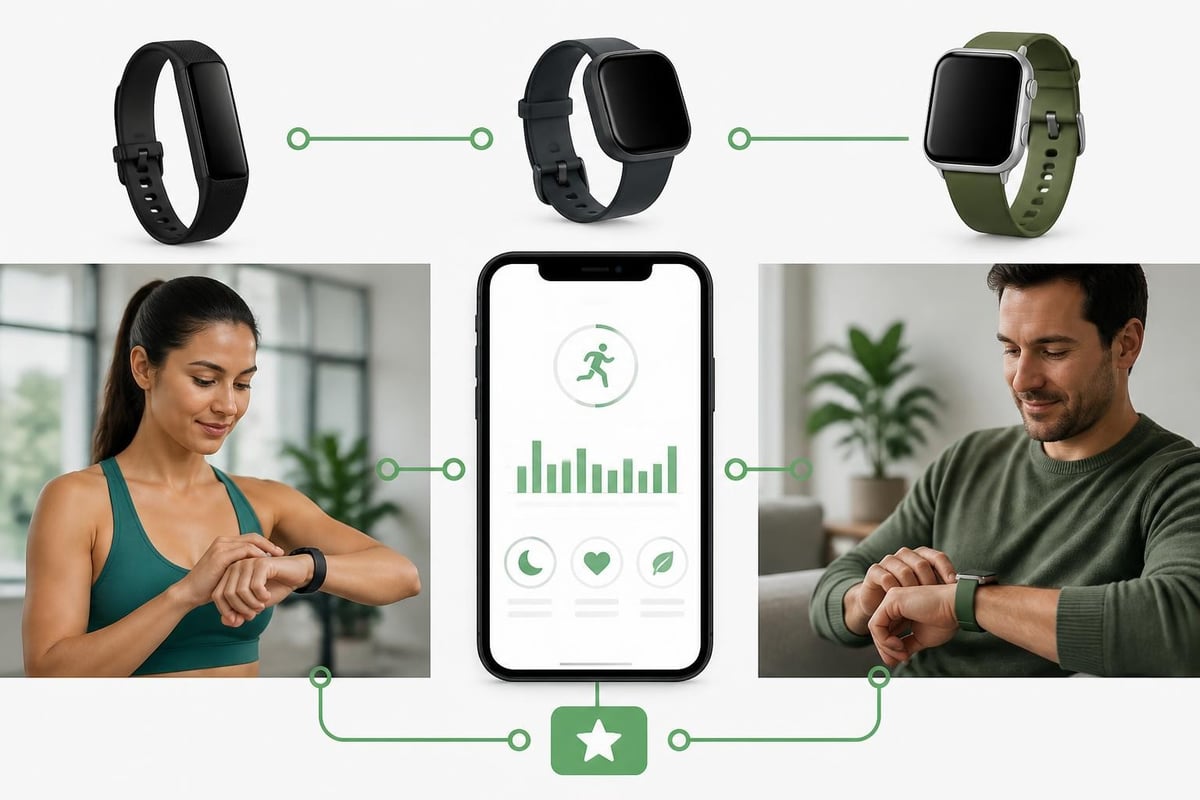
Fitbit, now owned by Google, manufactures wearable fitness trackers and smartwatches designed to monitor various health metrics. The product line includes basic activity trackers, advanced fitness watches, and smart scales that sync with a comprehensive mobile application.
Core Product Categories
- Basic trackers for step counting and sleep monitoring
- Advanced fitness watches with GPS and workout tracking
- Premium smartwatches with payment capabilities and app support
- Health monitoring devices including smart scales and blood pressure monitors
The ecosystem centers around the Fitbit app, which aggregates data from devices and provides insights into activity levels, sleep quality, heart rate patterns, and more. Users can access basic features for free, while Fitbit Premium offers personalized coaching, advanced analytics, and guided programs for a subscription fee.
Similar to how platforms like MyFitnessPal approach nutrition tracking, Fitbit aims to create a comprehensive health management system through wearable technology.
Customer Review Summary from Major Platforms
Customer feedback on Fitbit devices reveals distinct patterns across different review platforms. App store ratings, retail reviews, and dedicated technology forums provide varied perspectives on product performance and user satisfaction.
App Store and Google Play Feedback
The Fitbit mobile application maintains moderate ratings across both platforms, typically ranging between 3.8 and 4.2 stars. Users consistently praise the clean interface and comprehensive data visualization features. However, recurring complaints focus on sync reliability and battery drain issues.
Common positive themes include:
- Intuitive dashboard design
- Comprehensive sleep tracking capabilities
- Social features for friend challenges
- Long-term data history preservation
Frequent complaints involve:
- Intermittent syncing failures
- Premium subscription value questions
- Battery life inconsistency across models
- Customer support response times
Retail Platform Reviews
Amazon and Best Buy reviews for specific Fitbit models show variation based on device tier and price point. Entry-level trackers generally receive higher satisfaction ratings compared to premium smartwatch models, where users have elevated expectations for features and performance.
| Device Category | Average Rating | Primary Strength | Main Complaint |
|---|---|---|---|
| Basic Trackers | 4.2-4.5 stars | Simplicity | Limited features |
| Mid-Range Watches | 3.8-4.1 stars | Value | Accuracy concerns |
| Premium Smartwatches | 3.5-4.0 stars | Features | Price vs performance |
The Tomsguide comparison between Fitbit Air and Garmin Forerunner revealed that user preferences often depend on specific use cases, with serious athletes favoring competitors while casual fitness enthusiasts appreciate Fitbit's approachable ecosystem.
Community Discussion Summary
Reddit, Quora, and dedicated fitness forums provide unfiltered perspectives on Fitbit ownership experiences. These discussions reveal both passionate advocates and frustrated former users, with service reliability emerging as a critical discussion point.
Reddit Community Sentiment
The r/Fitbit subreddit demonstrates an active community of over 200,000 members who regularly share experiences, troubleshooting advice, and feature requests. Discussion patterns show seasonal fluctuation in satisfaction levels, particularly following software updates or service disruptions.
Recurring discussion topics:
- Accuracy comparisons between Fitbit models and competitors
- Battery life optimization strategies
- Premium subscription value debates
- Warranty claim experiences
A significant service outage in July 2025 created lasting concerns about platform reliability. TechRadar reported on the major outage that left users unable to sync devices or access their data, with some experiencing ongoing problems even after official resolution.
Fitness Forum Perspectives
Dedicated fitness and running forums provide context from serious athletes and fitness enthusiasts. These users often compare Fitbit devices against specialized competitors, noting specific limitations in advanced metrics and training features.
Community members frequently recommend Fitbit for casual users and beginners while suggesting alternatives like Garmin or Polar for dedicated athletes requiring advanced performance metrics. This positioning aligns with Fitbit's market strategy focusing on accessible health tracking rather than elite athletic performance.
Expert Review Analysis
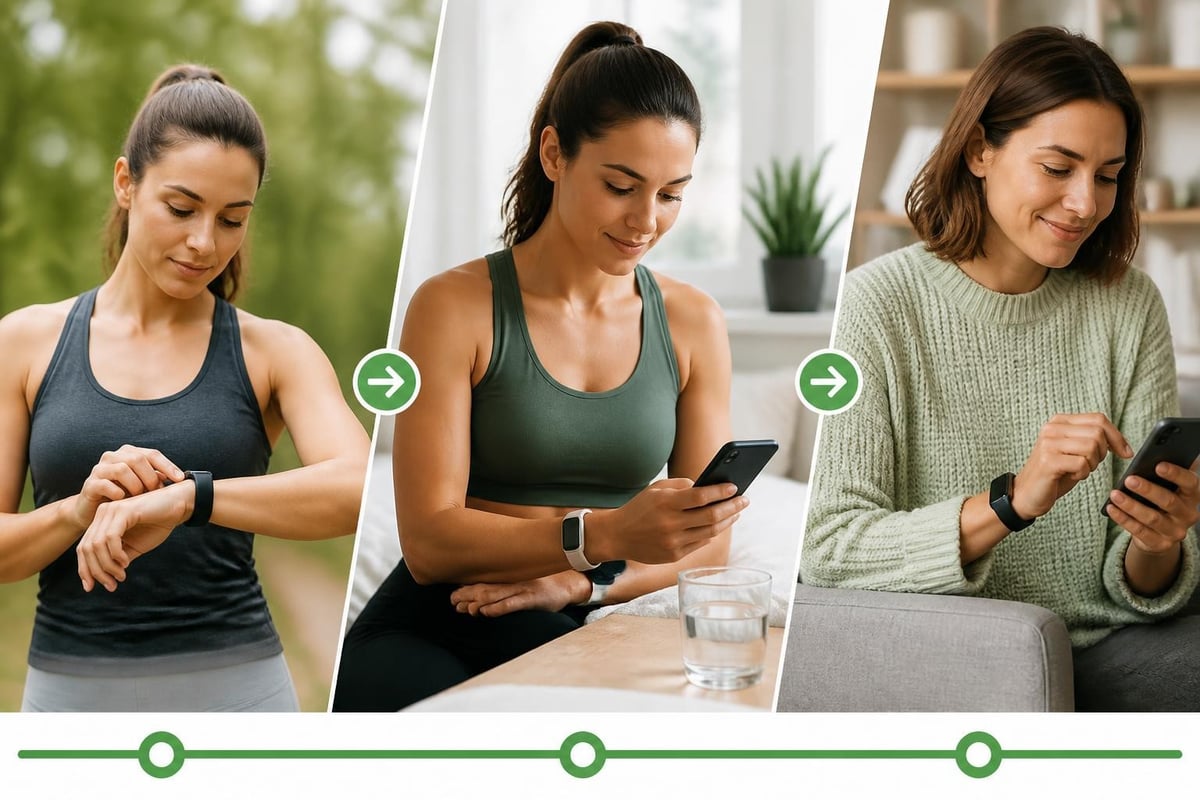
Professional technology reviewers and fitness experts provide structured assessments of Fitbit devices, evaluating hardware quality, software features, and overall value proposition. These reviews offer technical depth beyond typical user feedback.
Recent Model Assessments
The Android Central Fitbit Air review highlighted the device's minimalist design approach and core health tracking capabilities while noting areas requiring improvement. Reviewers appreciated the comfortable form factor but questioned the premium pricing relative to feature limitations.
Expert assessments consistently identify these key considerations:
- Hardware build quality varies significantly across price points
- Sensor accuracy meets standards for casual fitness tracking but shows limitations for clinical-grade measurements
- Battery performance depends heavily on feature usage and notification settings
- Software ecosystem provides comprehensive data but requires subscription for advanced insights
Accuracy and Reliability Concerns
Scientific research raises important questions about fitness tracker precision. Academic studies examining smartwatch caloric expenditure accuracy found that factors like body fat percentage and skin tone can influence measurement errors across various devices, including Fitbit models.
Performance issues extend beyond hardware limitations. Tom’s Guide identified three ways to improve Fitbit Air workout tracking accuracy, addressing common problems users encounter during exercise sessions and offering practical solutions for better data reliability.
Artificial Intelligence Features and Concerns
Fitbit's integration of AI-powered coaching through Google's Gemini system represents an ambitious expansion beyond traditional fitness tracking. However, early user experiences reveal significant implementation challenges that merit careful consideration.
Gemini AI Coach Reception
The Gemini AI coach, available to Premium subscribers, aims to provide personalized fitness and wellness guidance based on user data and goals. Initial reception has been problematic, with TechRadar reporting unhinged fitness advice that led users to express frustration and cancel trial subscriptions.
Users reported receiving inappropriate recommendations, contradictory guidance, and advice that failed to account for individual health conditions or limitations. This pattern suggests inadequate testing and refinement before public deployment.
Research into wearable data integration with large language models demonstrates the potential for enhanced personalized health insights, but effective implementation requires careful validation and user-centered design that current Fitbit AI features appear to lack.
Employee Perspective and Company Culture
Workplace review platforms provide insight into Fitbit's organizational health and employee satisfaction, factors that often correlate with product quality and customer service effectiveness.
Glassdoor and Indeed Feedback
Fitbit employee reviews on Glassdoor show mixed sentiment following the Google acquisition. Current and former employees cite both benefits and challenges of the corporate integration process.
Positive employee feedback:
- Strong commitment to health and wellness mission
- Competitive compensation packages
- Collaborative team environments
- Access to Google resources and technology
Common employee concerns:
- Organizational restructuring uncertainty
- Shift in company culture post-acquisition
- Decision-making speed and bureaucracy
- Career advancement clarity
Employee sentiment about product direction and customer focus varies, with some team members expressing concern that strategic priorities have shifted toward ecosystem integration rather than standalone product excellence.
Main Strengths of Fitbit Devices
Despite challenges, Fitbit maintains significant advantages that explain its continued market presence and user loyalty. These strengths reflect years of refinement and ecosystem development.
Comprehensive Health Tracking Ecosystem
Fitbit excels at providing accessible, comprehensive health monitoring for average consumers. The platform tracks multiple dimensions of wellness simultaneously, creating a holistic view of daily health patterns that competing devices often segment.
Key ecosystem advantages:
- Multi-device synchronization allows seamless data flow between trackers, scales, and mobile apps
- Long-term trend analysis helps users identify patterns across months and years
- Social motivation features encourage accountability through friend challenges and community participation
- Third-party integration enables data sharing with healthcare providers and other wellness apps
The approachable interface design reduces barriers for users unfamiliar with fitness technology, similar to how Lifesum simplifies nutrition tracking for mainstream audiences.
Sleep Monitoring Capabilities
Sleep tracking represents one of Fitbit's most praised features, with users consistently highlighting detailed sleep stage analysis and actionable insights. The devices monitor sleep duration, quality, and patterns with reasonable accuracy for consumer-grade wearables.
Premium subscribers gain access to sleep score calculations, personalized recommendations, and detailed analysis of factors affecting sleep quality. This depth of sleep-focused features exceeds what many competing fitness trackers provide.
Main Concerns and Limitations
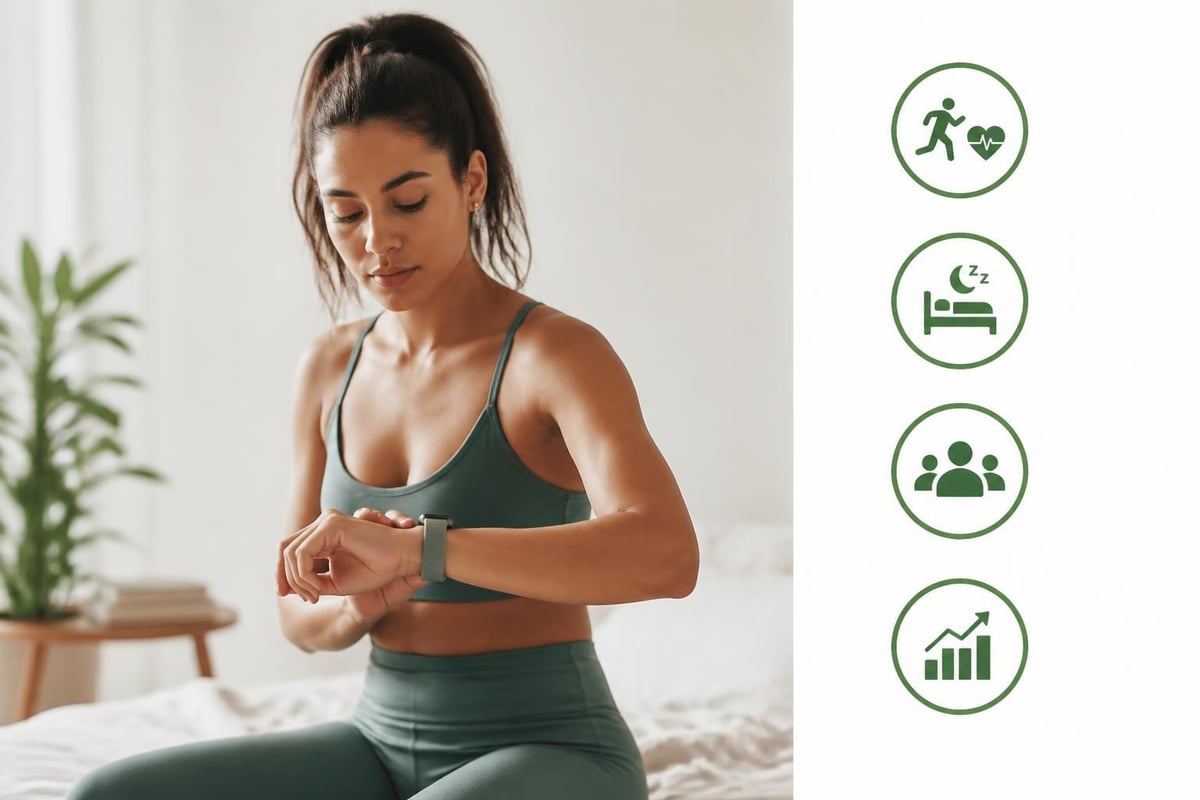
Understanding Fitbit's limitations helps set appropriate expectations and informs purchase decisions. These concerns emerge consistently across fitbit reviews from multiple sources and user segments.
Service Reliability Issues
The July 2025 outage highlighted infrastructure vulnerabilities that concern long-term users who depend on continuous data access. While Fitbit resolved the immediate crisis, residual problems and the incident's occurrence raised questions about system resilience and redundancy planning.
Service-related concerns include:
- Periodic sync failures requiring manual intervention
- Cloud service dependencies creating single points of failure
- Limited offline functionality when servers experience issues
- Data backup and export limitations for users wanting alternatives
Premium Subscription Value Questions
Many users question whether Fitbit Premium's $9.99 monthly subscription provides sufficient value beyond free features. While the service offers guided programs, advanced analytics, and personalized insights, some competitors include comparable features without additional fees.
The AI coach's problematic performance further undermines Premium's value proposition, as this feature represents a major selling point that currently delivers inconsistent results. Users expect subscription services to provide reliable, well-tested features rather than experimental technology.
Accuracy and Measurement Limitations
Fitness tracker accuracy varies based on activity type, device placement, and individual physiology. Security research examining Fitbit data spoofing demonstrates vulnerabilities that raise questions about data authenticity and measurement reliability.
| Metric Type | Accuracy Level | Reliability Factors |
|---|---|---|
| Step counting | High | Wrist placement, activity type |
| Heart rate | Moderate-High | Skin contact, movement intensity |
| Sleep stages | Moderate | Individual variation, algorithm limitations |
| Calorie burn | Moderate | Personal factors, activity recognition |
| GPS tracking | Moderate-High | Signal conditions, device model |
Users pursuing clinical-grade measurements or elite athletic training require understanding these limitations when interpreting Fitbit data. The devices serve wellness tracking purposes effectively but should not replace medical-grade monitoring equipment.
Comparison with Competing Platforms
Fitbit operates in an increasingly competitive market with established brands and emerging technologies challenging its position. Understanding relative strengths helps contextualize fitbit reviews within the broader fitness tracking landscape.
Market Position Analysis
Fitbit maintains strong brand recognition and a large existing user base, but faces pressure from multiple directions. Apple Watch dominates the premium smartwatch segment, while Garmin captures serious fitness enthusiasts, and budget brands offer basic tracking at lower price points.
The integration with Google provides both opportunities and challenges. Access to advanced AI technology and ecosystem integration offers potential advantages, but the slow pace of meaningful feature implementation frustrates users expecting rapid innovation.
Companies like Zwift demonstrate how specialized platforms can create engaging fitness experiences in specific niches, suggesting that general-purpose tracking may face increasing competition from focused solutions.
User Preference Patterns
Different user segments prioritize different features, creating varied satisfaction levels across Fitbit's product range. Casual users seeking basic activity tracking and sleep monitoring generally express higher satisfaction than power users demanding advanced metrics and customization.
Segment-specific preferences:
- Beginners appreciate simplicity and guided programs
- Casual fitness enthusiasts value social features and challenges
- Serious athletes require advanced metrics and training tools
- Health-focused users prioritize accuracy and clinical integration
Understanding which segment aligns with personal needs helps predict satisfaction likelihood with Fitbit devices versus specialized alternatives.
Final Verdict on Fitbit
Fitbit represents a trustworthy brand with proven health tracking capabilities and a comprehensive ecosystem, but recent service reliability issues and AI feature missteps create legitimate concerns about future direction and value delivery.
Fitbit works well for:
- Users seeking accessible, comprehensive wellness tracking
- Individuals prioritizing sleep monitoring and analysis
- People motivated by social challenges and community features
- Those already invested in the Google/Android ecosystem
Consider alternatives if:
- Advanced athletic performance metrics are essential
- Service reliability and offline functionality are priorities
- Premium subscription features don't justify ongoing costs
- Recent AI feature quality raises concerns about product direction
The brand maintains credibility through years of market presence and millions of satisfied users, but faces critical junctures requiring improved execution on service reliability and feature innovation. Current fitbit reviews suggest cautious optimism rather than unconditional recommendation.
Sources Checked for This Review
This analysis synthesizes information from multiple authoritative sources to provide comprehensive brand assessment:
Official sources: Fitbit website, Google announcements, product documentation
Customer review platforms: App Store, Google Play Store, Amazon, Best Buy
Community discussions: Reddit (r/Fitbit), fitness forums, Quora
Expert reviews: TechRadar, Tom's Guide, Android Central
Academic research: Studies on wearable accuracy, security, and health applications
Workplace feedback: Glassdoor and Indeed employee reviews
The evaluation prioritizes patterns across multiple sources rather than isolated opinions, focusing on consistent themes that appear across different platforms and user segments. This approach provides balanced perspective on Fitbit's current market position and user satisfaction levels.
For those exploring complementary wellness platforms, ClassPass offers fitness class access that pairs well with activity tracking, while Brain.fm provides focus and relaxation audio that complements Fitbit's stress management features.
Fitbit delivers reliable basic fitness tracking with an established ecosystem, though recent service issues and AI feature problems warrant careful consideration before committing to the platform. When evaluating health and wellness brands like Fitbit, having access to comprehensive, unbiased information makes all the difference. HealthGreenList aggregates data from official sources, customer reviews, community discussions, and workplace feedback to help you determine which health brands truly deliver on their promises, so you can make confident decisions backed by real user experiences and transparent analysis.